
2026 New Orleans 9
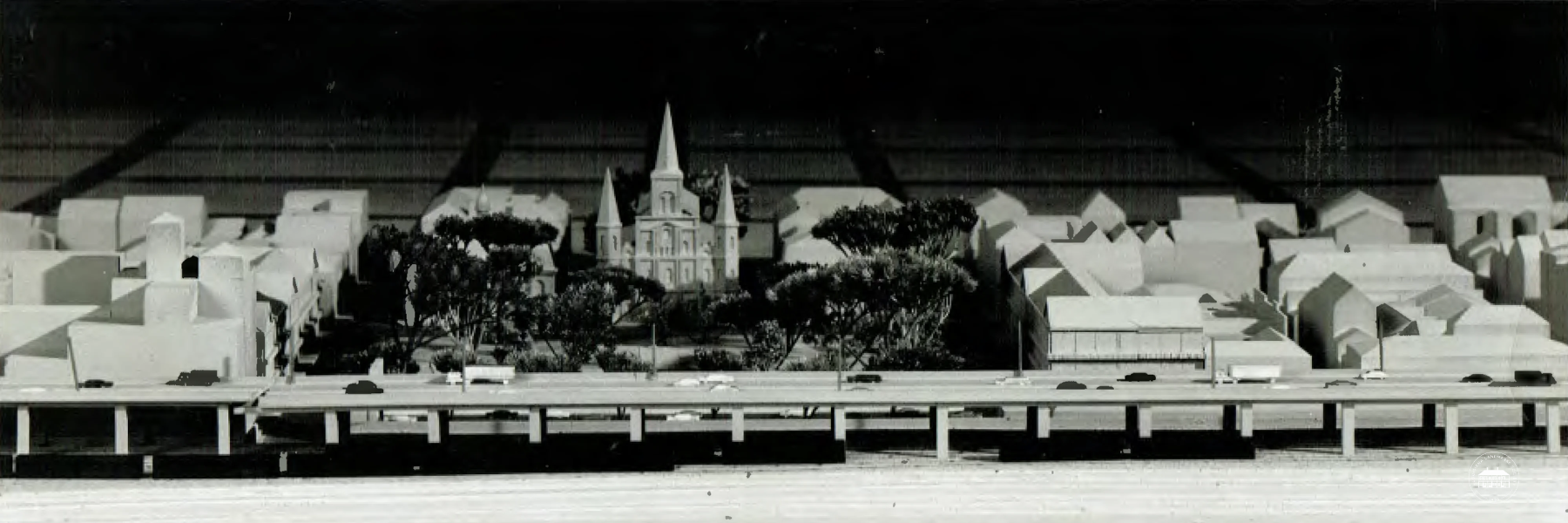
NHPA’s Section 106 Review
LOCATION: Nationwide
THREAT: Loss of public process & historic resources
Proposed changes to National Historic Preservation Act's Section 106 regulations would strip away mechanisms that have protected historic places for sixty years. It makes the NHPA's “avoid or minimize harm” mandate optional rather than required. Public comment becomes discretionary instead of guaranteed. Notice to state and local governments disappears. Mandatory tribal consultation ends. Additionally, significant cultural landscapes are excluded from the definition of historic properties, meaning entire places, not just buildings, lose protection. Together, these changes let agencies act first and explain later, replacing the NHPA's negotiation with unilateral discretion.
Lower Ninth Ward
LOCATION: Lower Ninth Ward
THREAT: Over-Industrialization
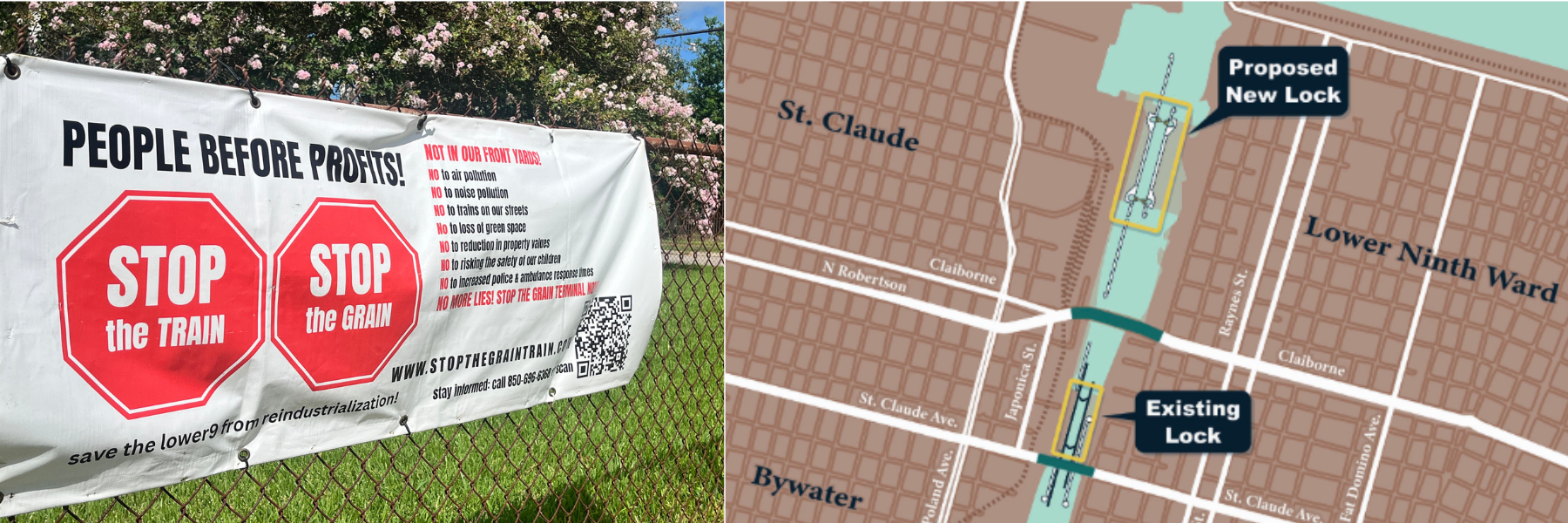
Grain operations at Alabo Street Wharf, with an activated rail line cutting through the community, are only the beginning. Phase 2 brings six 400,000-gallon oil tanks and a vegetable oil refinery next to the historic neighborhood. Compounding that, the planned Inner Harbor Navigation Canal Lock replacement, pushing the Mississippi River 12 blocks deeper into the city, and the St. Claude Bridge replacement bring an optimistic 14-year timeline. That means over a decade of traffic disruption, business interruption, and a community cut off, with eroding property values and small businesses fighting simply to survive.
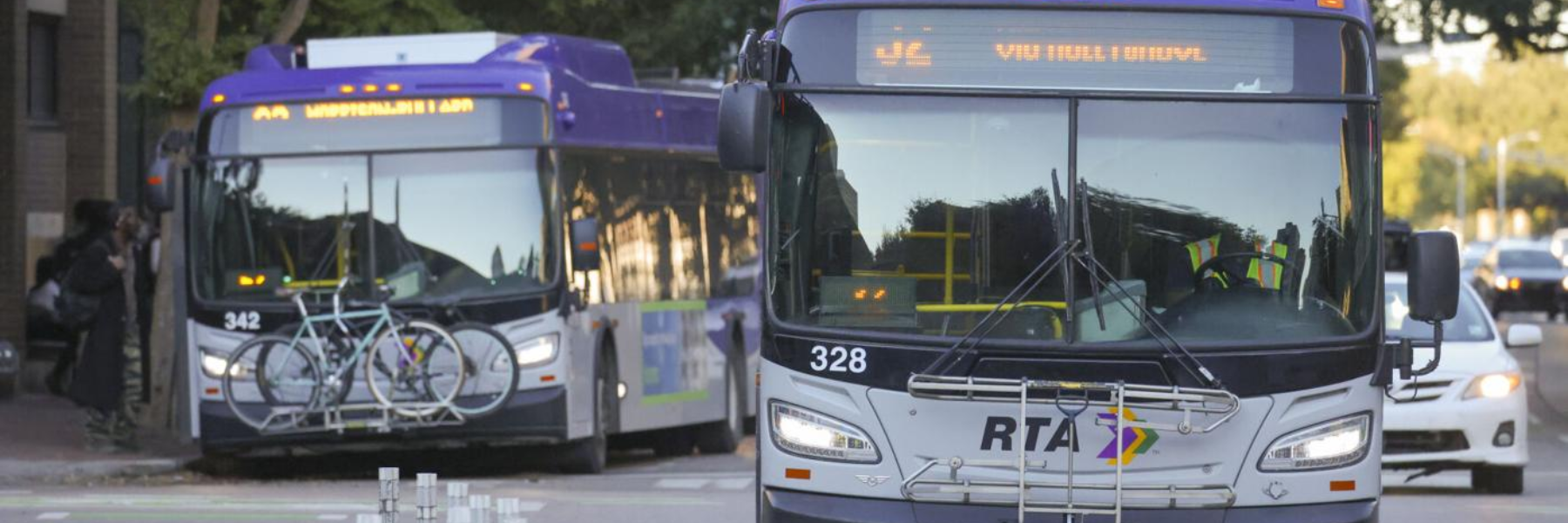
Photo courtesy of WWL
Basin Street Corridor
LOCATION: Basin Street
THREAT: Concentrated Gridlock & Exhaust due to planned transportation hub
Relocating a major transportation hub to Basin Street would concentrate buses and transit traffic close to the historic French Quarter and Tremé neighborhoods, where narrow historic streets already accommodate significant visitor and vehicle volume. The hub could bring more idling engines, exhaust, and traffic to an area designed for foot traffic rather than terminal-scale vehicle flow. Meanwhile, the Union Passenger Terminal on Loyola Avenue already exists as a purpose-built, underused intermodal facility connected to the Rampart-Loyola streetcar line, making it a more logical location for coordinated transit service.
Last of Storyville
LOCATION: 1534 St. Louis Street, 1214-16 Bienville Street
THREAT: Loss of physical & cultural history
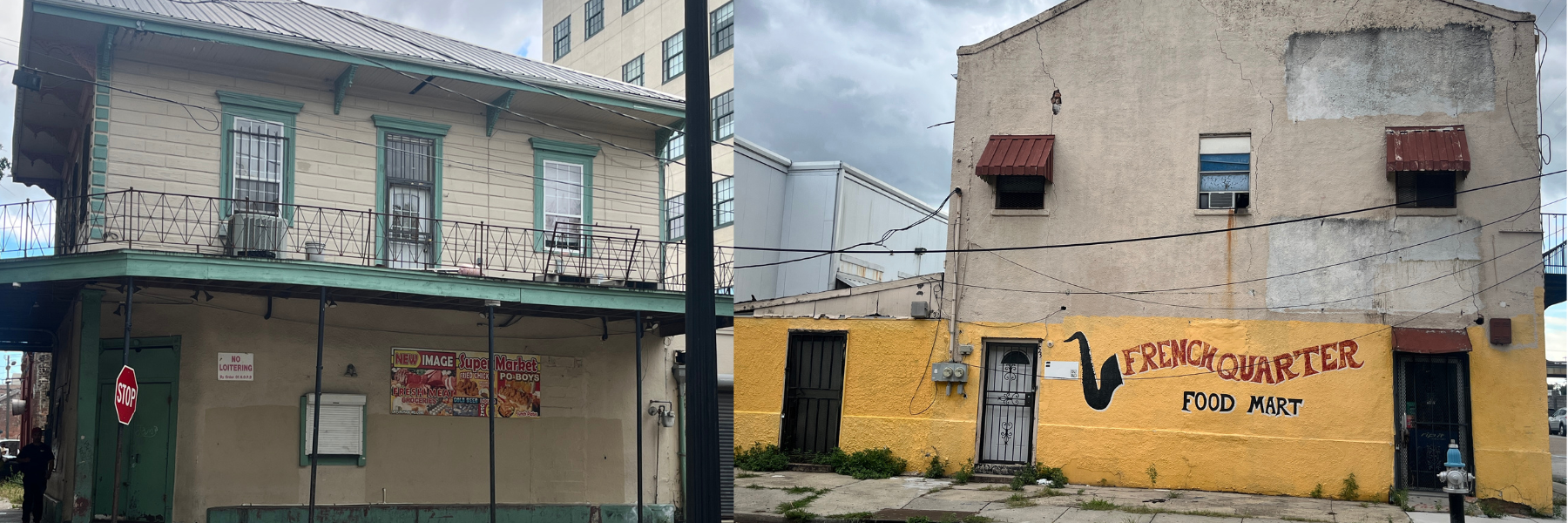
Storyville’s physical legacy is nearly gone. Once one of America’s most storied entertainment districts and an important birthplace of jazz, much of the district was intentionally demolished in the 1930s for the Iberville public housing development. Only three associated buildings survive today. Two, Joe Victor’s Saloon and Frank Early’s “My Place” Saloon, sit vacant and for sale. Joe Victor’s escaped demolition after its rear addition collapsed; a structural report found the core repairable. “My Place” retains rare features tied to jazz pioneer Tony Jackson. Without intervention, New Orleans risks losing Storyville’s last physical traces.
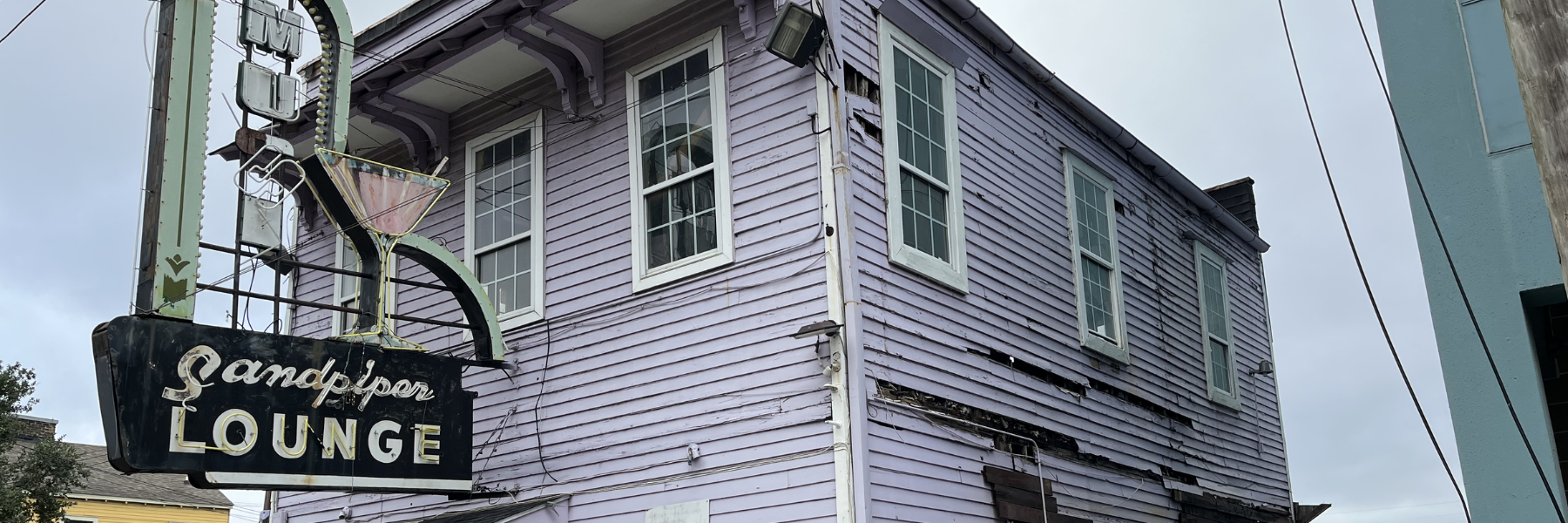
Sandpiper Lounge
LOCATION: 2119 Louisiana Avenue
THREAT: Demolition by neglect
The Sandpiper Lounge opened in 1957 as Turk’s Lounge before becoming the Madrona, then the Sandpiper in 1968. This historic Black-owned bar, known for its classic neon sign, became a key second-line stop and the Golden Comanches’ Mardi Gras gathering place, later drawing live music crowds after Katrina. Contributing-rated in the Central City Historic District, the building now sits empty and in severe disrepair. A demolition application was withdrawn following opposition, but the threat remains. Losing the Sandpiper would mean losing another long-standing neighborhood gathering place and an important part of Central City’s cultural history.
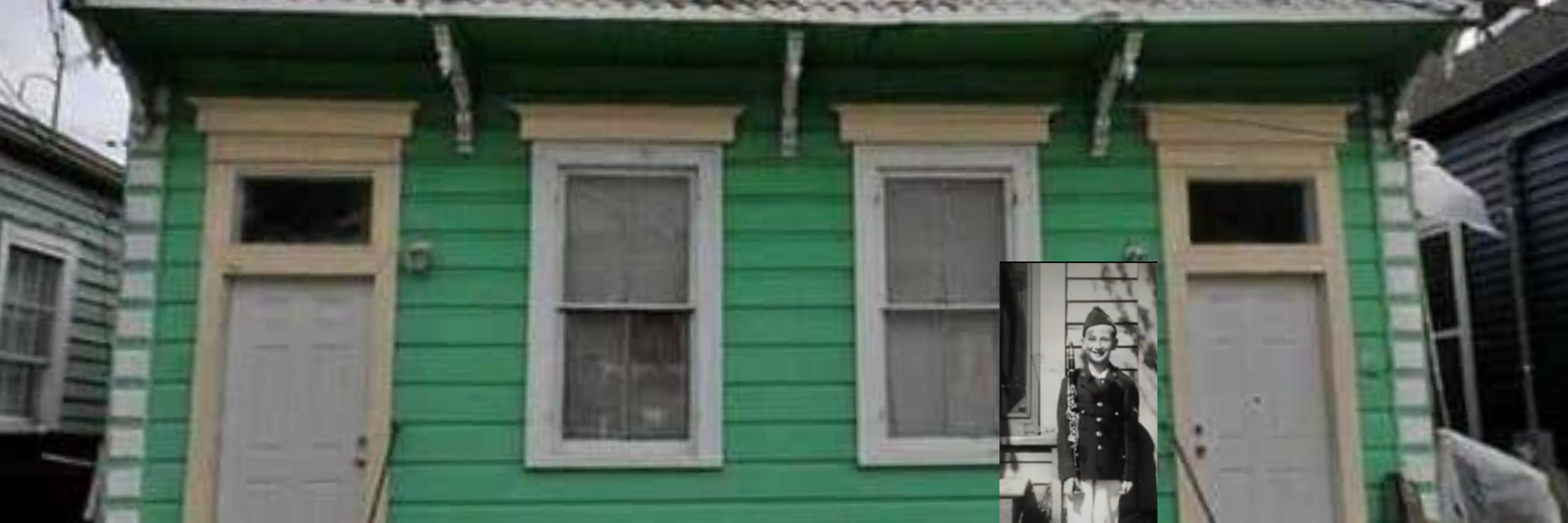
Pete Fountain’s Home
LOCATION: 820-822 North White Street
THREAT: Demolition by neglect
The double shotgun cottage is where young Pete Fountain first picked up the clarinet, after his doctor suggested a woodwind to strengthen his lungs. He lived there until 1951, later becoming a national jazz ambassador, a Lawrence Welk Show fixture, Tonight Show guest, longtime Bourbon Street club owner, and Mardi Gras staple with his Half Fast Walking Club. Even as a designated local landmark, the house was recently cited for demolition by neglect, sitting empty and deteriorating. Without help, we risk losing the home where Pete Fountain's sound began.
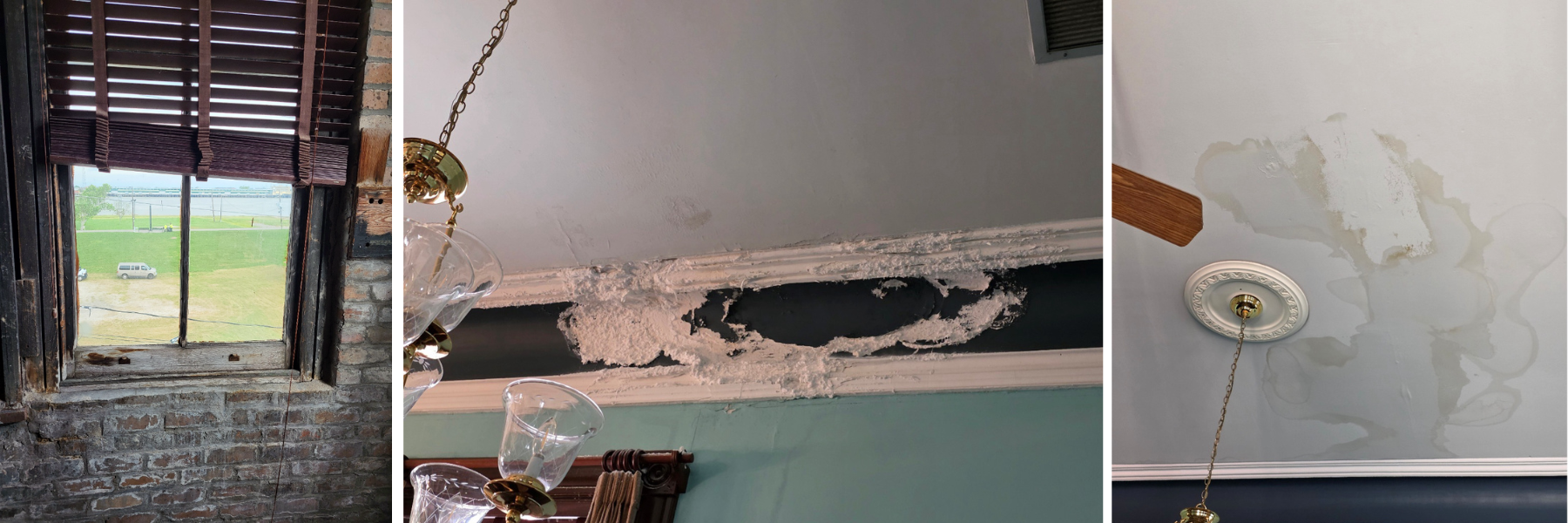
Algiers Courthouse
LOCATION: 225 Morgan Street
THREAT: Lackk of maintenance
The Algiers Courthouse was built in 1896 on the site of the Duverje Plantation, destroyed in the 1895 fire. Designed in a Romanesque style with twin towers, it is Louisiana's third-oldest continuously used courthouse. Though its exterior was restored in 2017, it is already showing signs of decay, while the interior has been left to deteriorate, plagued by leaks, rust, rotting trim, and crumbling plaster. Years of deferred maintenance under past administrations have left its preservation as another burden for a cash-strapped city to inherit.
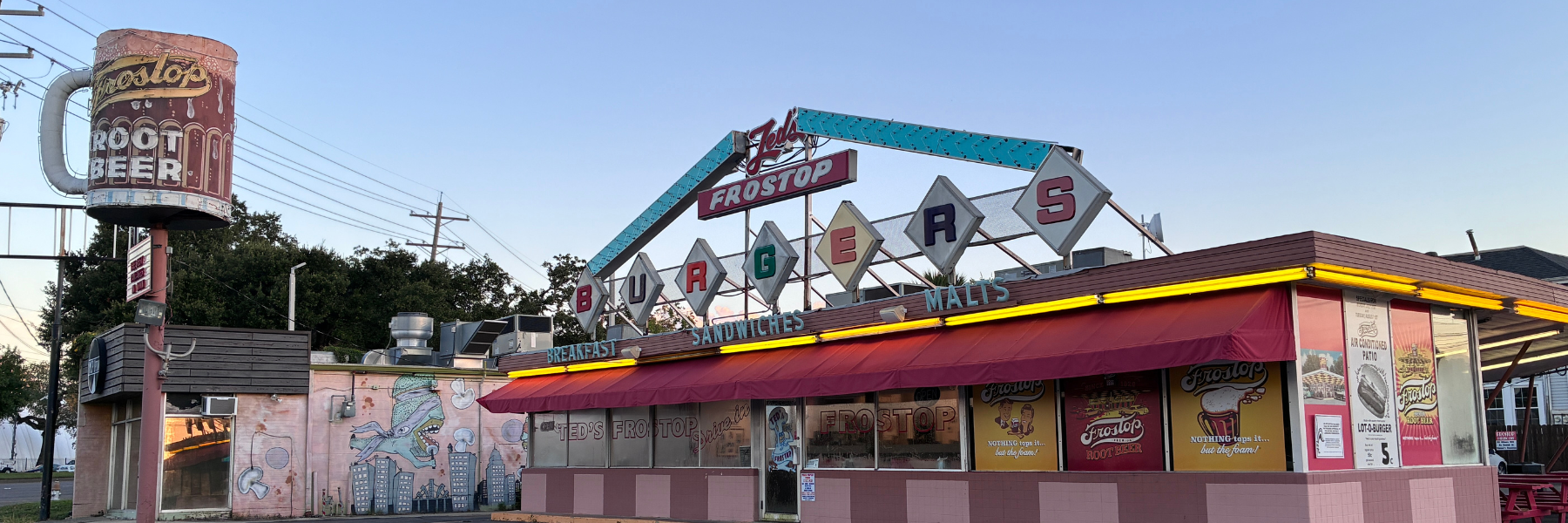
Ted’s Frostop & Surrounding Neighborhood
LOCATION: 3100 Calhoun Street
THREAT: Out-of-Scale Development & Possible Loss of Iconic Diner
Ted's Frostop, a Midcentury Modern diner, has served as a generational cultural landmark. After Hurricane Katrina, reinstalling its iconic root beer mug became a symbol of the city's resiliency. First threatened with demolition, Ted’s now faces possible gutting of its classic diner interior and construction of an attached, out-of-scale, three-story apartment or dormitory development, whose density, massing and lack of parking would disrupt the adjacent historic neighborhood. Although nominated for local landmark study, the designation does not protect the interior. Claiborne Avenue has long divided Tulane's campus from the neighborhood; though Tulane has paused involvement, it has not ruled out returning, leaving the project poised to set a precedent for Tulane’s expansion across that boundary.
French Quarter Residential Community
LOCATION: French Quarter
THREAT: Loss of residents due to short-term
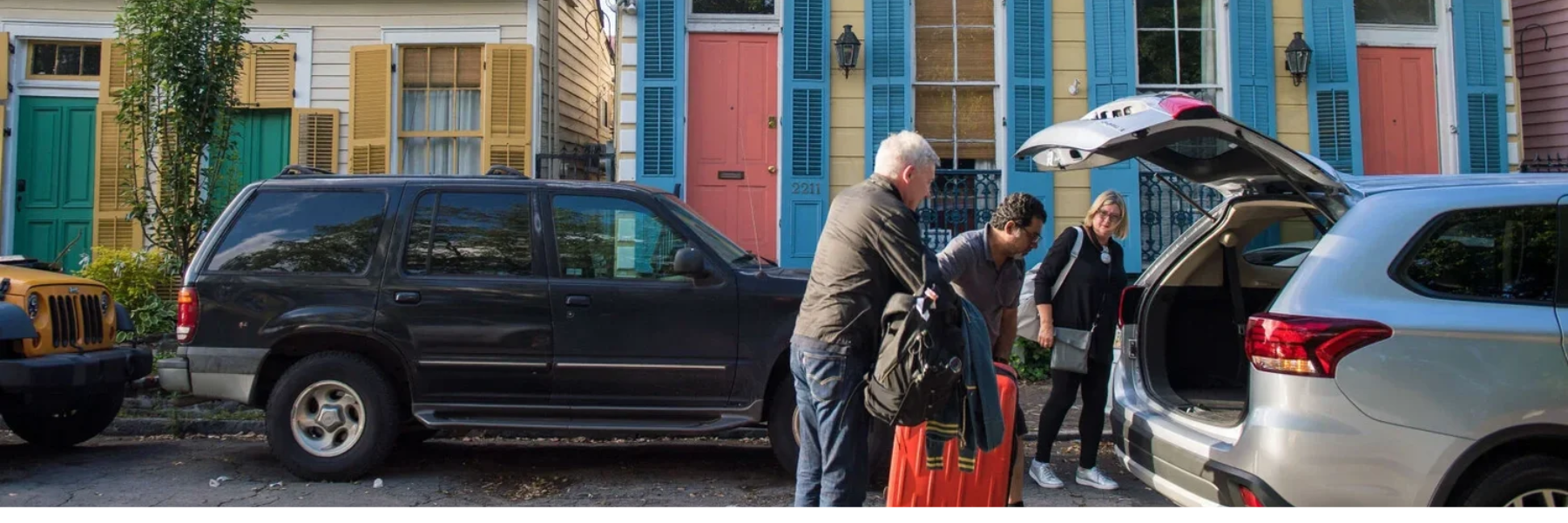
What makes the French Quarter authentic is that it's a living, breathing residential neighborhood. As New Orleans' first, the city's story began here and has continued, unbroken. Expanding short-term rentals threatens that continuity: units that house neighbors become transient lodging, affordable long-term leases give way to nightly turnover, and the daily rhythms of a lived-in neighborhood porch conversations and children walking to school are replaced by bachelor parties, rolling suitcases, and check-in codes. Allowing STRs in this national landmark sets a precedent for further expansion. Once the line is crossed, it's harder to hold. Without residents, the French Quarter isn't a historic neighborhood; it's a stage set.