
2008 New Orleans 9

Mid-Century Modern Public School
Location: Citywide
Threat: Planned demolition, neglect, hurricane damage
The Recovery School District is in the process of finalizing the School Facilities Master Plan for Orleans Parish, which could effectively erase mid-century modern school facilities from the City of New Orleans. These four schools, slated for demolition by the plan, are those mid-century modern examples with the highest architectural merit. The Phillis Wheatley School (1955, Charles Colbert) was recognized by and published in Progressive Architecture. The Thomy Lafon School (1954, Curtis & Davis) received the AIA Honor Award. George Washington Carver (1958, Curtis & Davis) received Progressive Architecture’s highest honor, the First Design Award. McDonough No. 39/Avery Alexander (1952, Goldstein, Parham and Labouisse; Freret and Wolf; Curtis & Davis) was the first modern school built in New Orleans.

Charles Orleans House
Location: 1800 Canal Street
Threat: Demolition
This City of New Orleans landmark, located within the Mid- City National Register Historic District, was constructed in 1889 in as a private home for Charles Orleans. It is one of the most intact 19th-century buildings surviving along Canal Street between Claiborne and Carrollton Avenues. Unfortunately, its location falls within the edge of the footprint that is proposed for the new LSU Medical Center.

Dixie Brewery
Location: 2537 Tulane Avenue
Threat: Demolition
This City of New Orleans landmark, located within the Mid- City National Register Historic District, was constructed in 1889 in as a private home for Charles Orleans. It is one of the most intact 19th-century buildings surviving along Canal Street between Claiborne and Carrollton Avenues. Unfortunately, its location falls within the edge of the footprint that is proposed for the new LSU Medical Center.

Former Olaf Fink Center
Location: 1300 Richland Road
Threat: Neglect
This collection of buildings, dating from circa 1920, was built as the physicians’ or officers’ quarters for the U.S. Quarantine Station for the port. Now owned by the Orleans Parish School Board, these buildings represent an interesting and little-known, but vital, piece of New Orleans history.

McDonogh No. 11
Location: 2009 Palmyra Street
Threat: Demolition
Constructed in 1879 as an elementary school, this Italianate-style school building is under renovation by the Recovery School District. However, it falls within the footprint for the proposed LSU Medical Center. This substantial, masonry building is one of the finest architectural examples remaining in the neighborhood.

Deutsches Haus
Location: 200 S. Galvez Street
Threat: Demolition
Located in the Mid-City National Register Historic District, this long-time cultural institution, housed in a 1911 telephone exchange building, is in the footprint for the proposed LSU Medical Center. Incorporated in 1928, the Deutsches Haus was formed as a benevolent and social organization that provided support for the numerous German immigrants in the New Orleans area. Deutsches Haus is one of the last landmarks left in the City of New Orleans that honors the vibrant German history of this region.
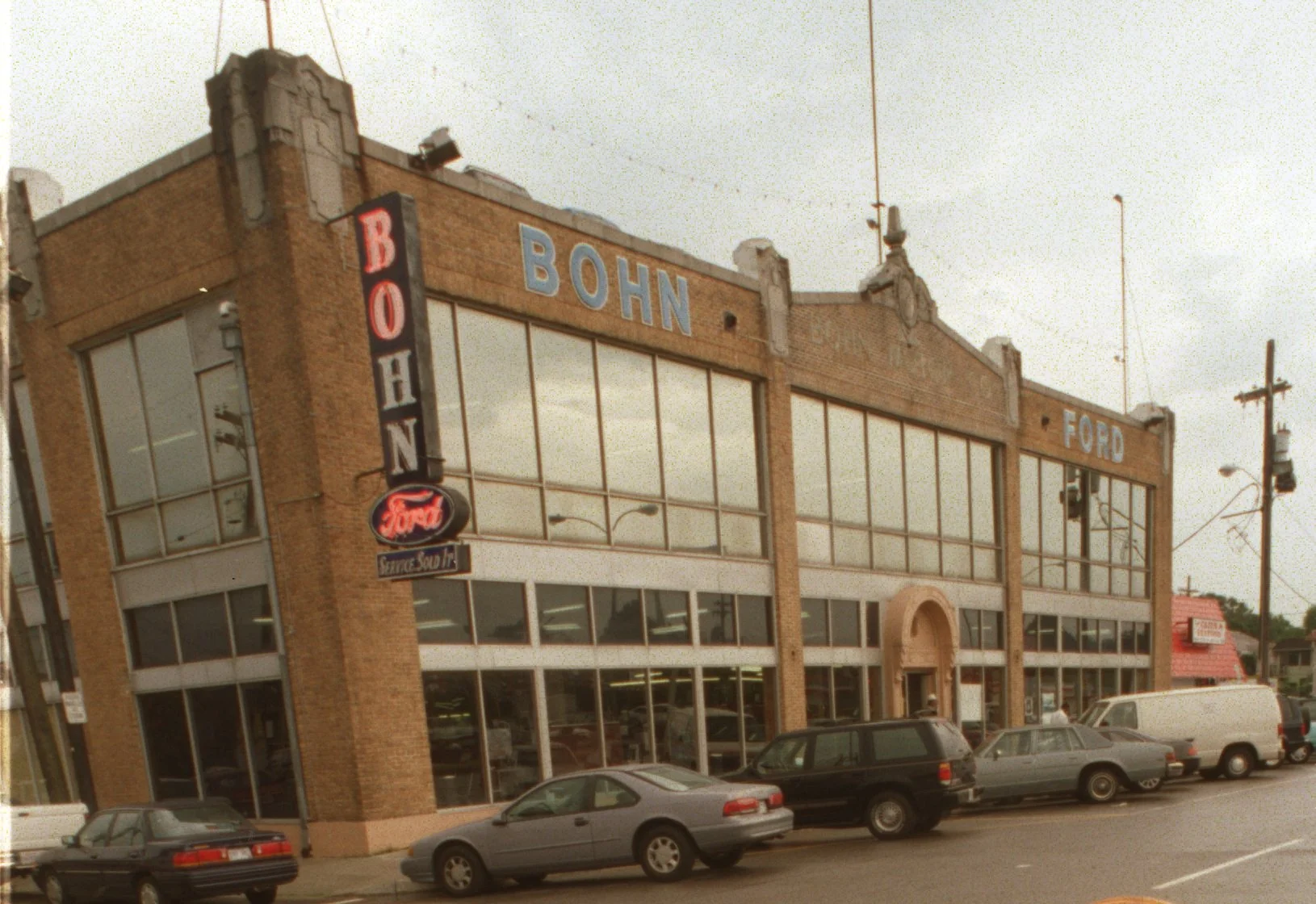
Bohn Ford Motor Building
Location: 2700 S. Broad Street
Threat: Neglect, hurricane and fire damage
One of the last remaining, intact historic auto dealership buildings in the city, this once-attractive building has suffered from a severe fire and hurricane-related damage. Built during the early years of the automotive industry, the building was purchased by the venerable Rhodes Funeral home around the corner, but it remains unsecured and in a severely deteriorated condition.

ST. Francis De Sales
Location: 2203 Second Street
Threats: Neglect, abandonment
Designated an HDLC City Landmark in 1977, this church was on the most recent list from the Archdiocese to close and merge with a neighboring parish. Located in the middle of the Central City National Register Historic District, St. Francis de Sales parish was established around 1870. In the late 1960s the church became one of the first Catholic congregations in America to initiate a “Black Liturgy,” integrating gospel music and other African American cultural traditions into the traditional Catholic mass. The church also provided the first home for the nationally recognized Dashiki Project Theater.

Custodial Cottages
Location: City Wide Orleans Parish School Board
Threat: Demolition, neglect
The custodial cottages are small residential structures dating from the late 19th and early 20th centuries that were constructed on school grounds to house the custodian/ caretaker. Many New Orleans schools had these quaint residences, but over the years, the School Board phased out this program, and now most have been demolished, and the remaining few are in extreme danger of demolition.