1
2
3
4
5
6
7
8
9
10
11
12
13
14
15
16
17
18
19

416 Chartres Street – The Historic New Orleans Collection
Team: The Historic New Orleans Collection, Trapolin-Peer Architects, Ryan Gootee General Contractors, Schrenk Engineering, Moses Engineers, Rick Fifield
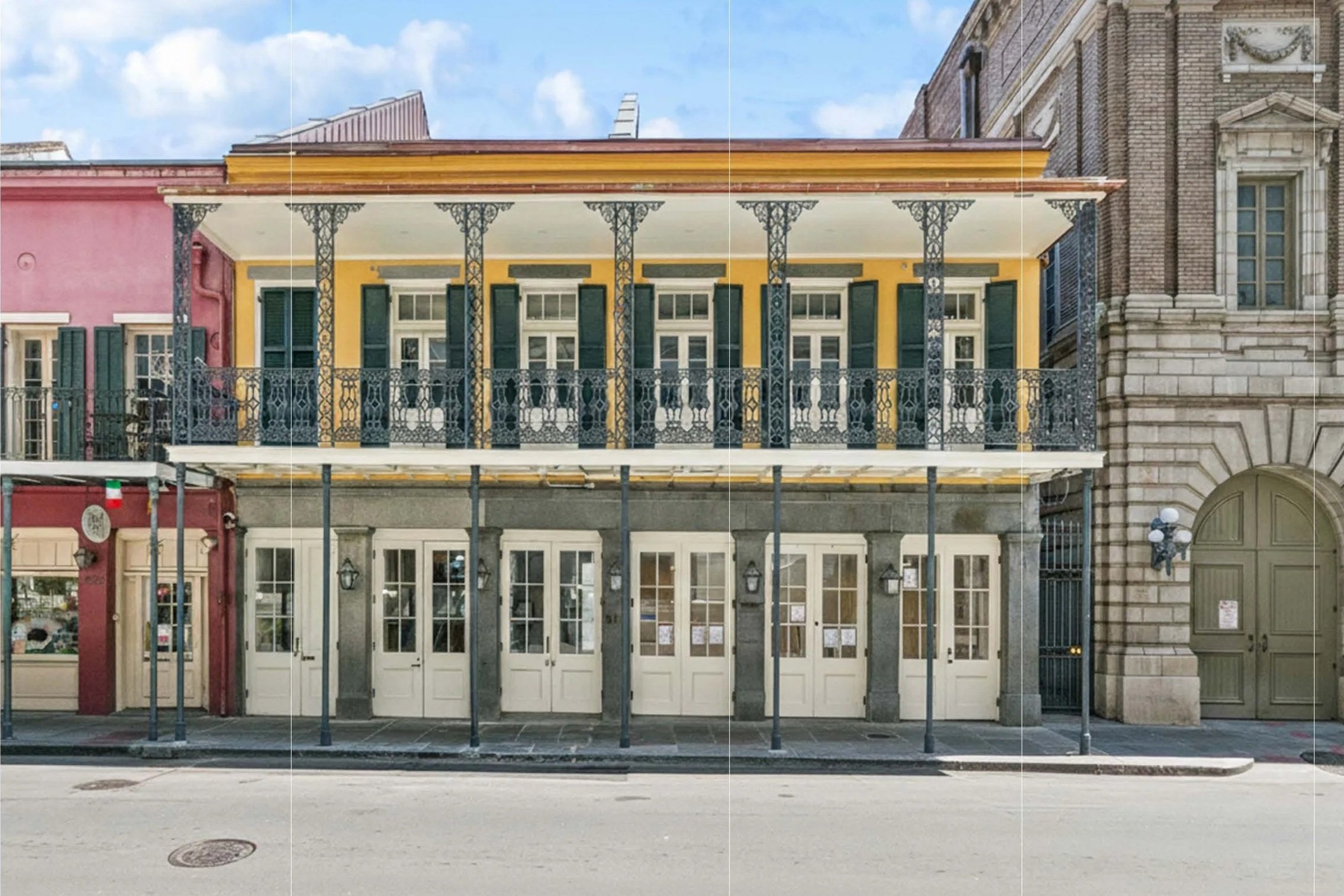
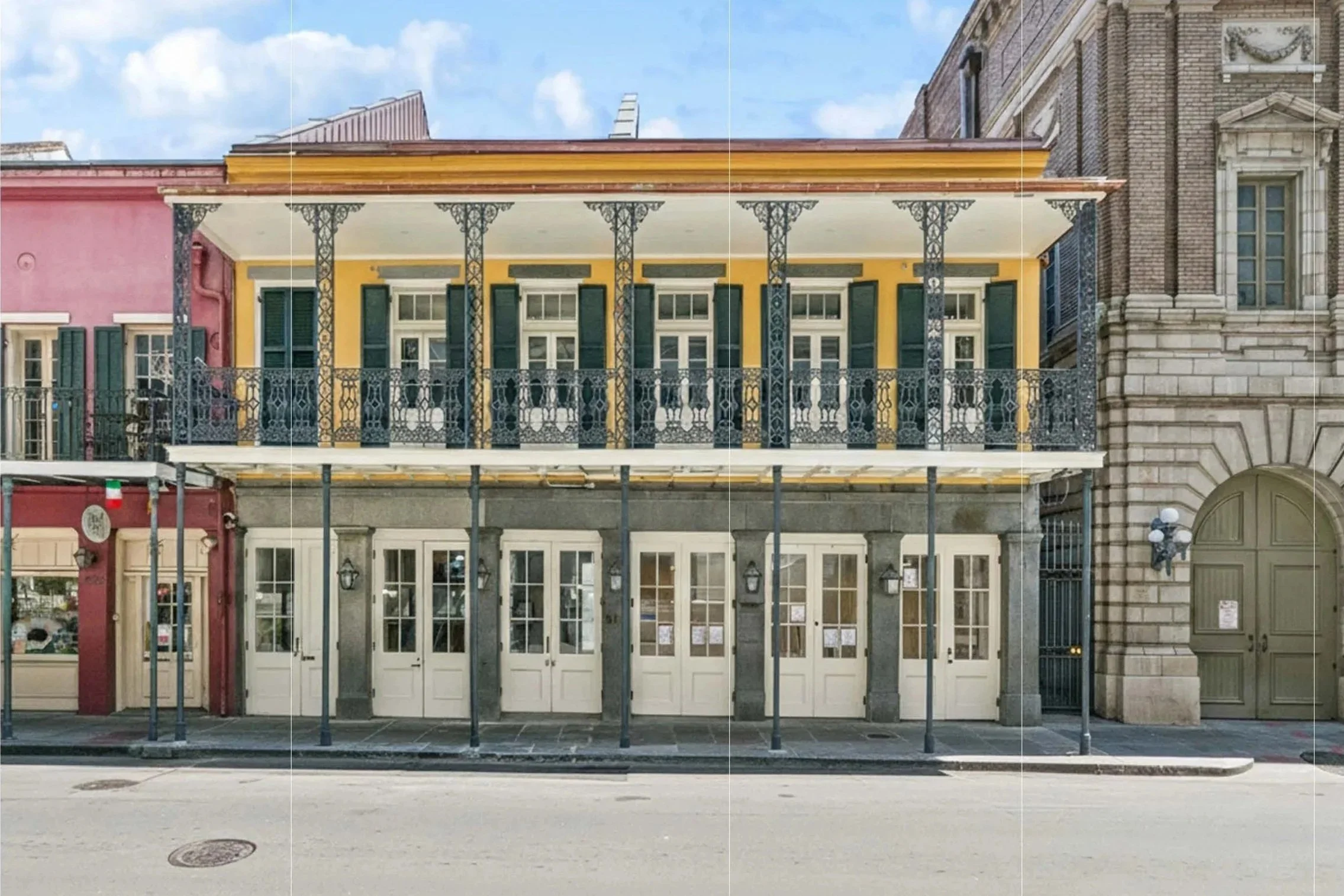
Originally constructed in 1834, 416 Chartres Street is a contributing building within the Vieux Carré Historic District. Most recently home to K-Paul’s Louisiana Kitchen, the building had been heavily altered by decades of restaurant build-out, obscuring much of its historic fabric and limiting natural light. The rehabilitation transformed the structure into a fabrication and studio facility for The Historic New Orleans Collection, guided by a strategy of revealing historic masonry and restoring openness. Non-historic partitions were removed, historic openings reopened, and major structural and systems upgrades completed. Using State and Federal Historic Tax Credits, the project preserves an important French Quarter building while supporting HNOC’s cultural mission.
4950 Dauphine Street – Holy Cross School Apartments
Team: E. Perez Architects, Fricker Historic Preservation Services, LLC, Roth Law Firm, LLC, Riselmpact Capital LLC, Home Bank, Octagon Finance, Central State Bank
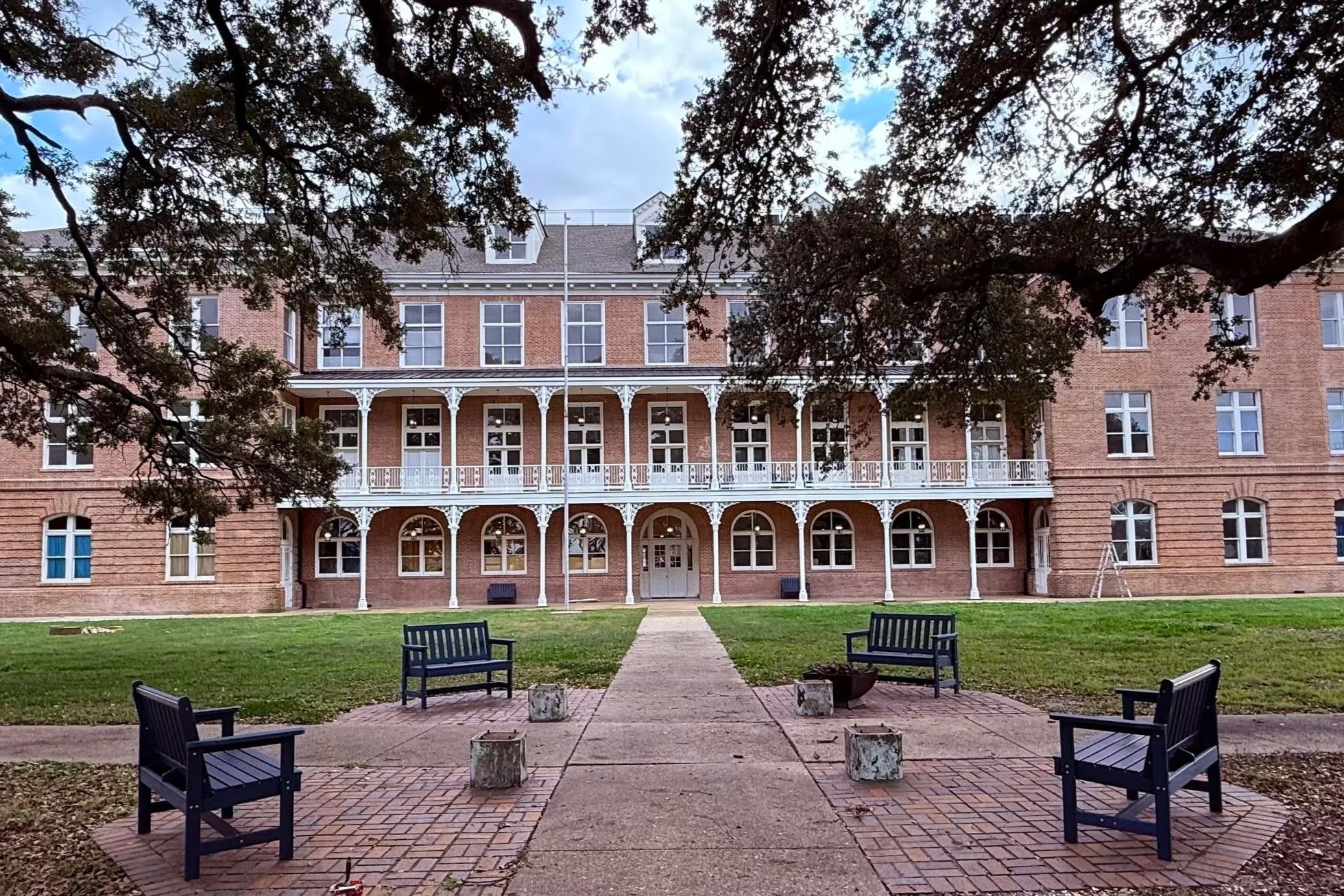
Constructed in 1895 with major additions in 1912, the former Holy Cross School is a defining landmark of the Holy Cross Historic District. After Hurricane Katrina, years of neglect, storms, vandalism, and vegetation left the campus in severe disrepair. Following sustained preservation advocacy and a change in ownership, the building was comprehensively rehabilitated as market-rate apartments. Exterior work included a new roof, masonry repairs, restoration of historic wood windows, and rehabilitation of the cast-iron galleries. Inside, the original corridor plan was preserved, historic floors were salvaged, and the attic was adapted for new living space. Utilizing historic tax credits, the project returns a long-endangered cherished neighborhood landmark to active use.
1401 Delachaise Street – Sommerville-Kearney House
Team: Stay Heirloom, Cicada Architects, Glaser Development, Fricker Historic Preservation Services, LLC
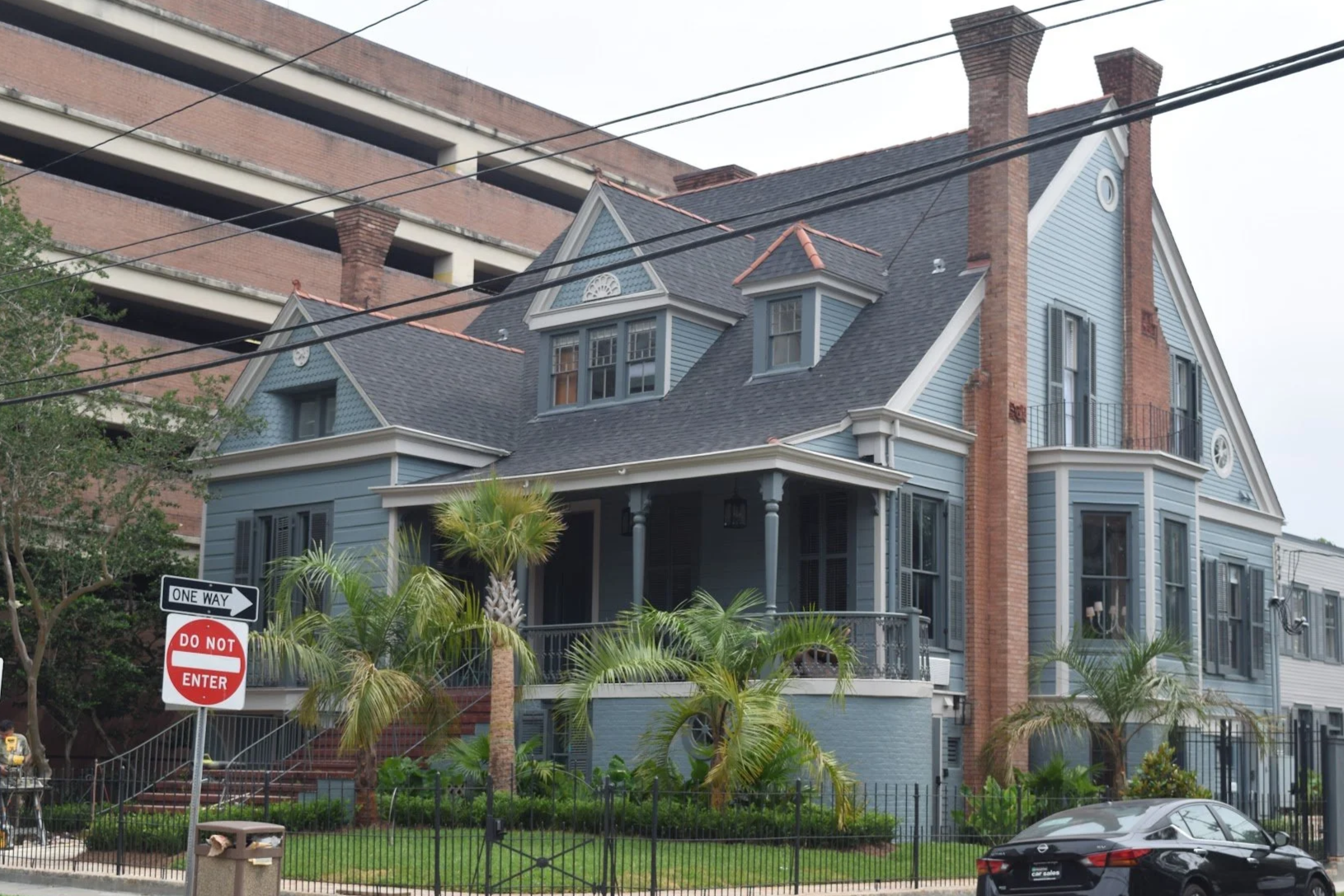
Constructed between 1890 and 1891, the Sommerville-Kearney House is an individually listed National Register property and designated HDLC Landmark. This prominent Queen Anne residence had endured decades of institutional use and deferred maintenance, leaving both its architectural integrity and building systems compromised. The rehabilitation focused on restoring the building envelope, repairing woodwork and masonry, correcting roof and drainage failures, and preserving landmark-defining features. Inside, non-historic partitions were removed to reveal the original hall plan, marble mantels, ceiling medallions, pocket doors, and monumental stair. Completed in 2025 using State and Federal Historic Tax Credits, the project safeguards one of Uptown’s most architecturally significant historic residences.
830 Desire Street
Team: Dalton Architects, MKRed Build, Leonardo Herrera
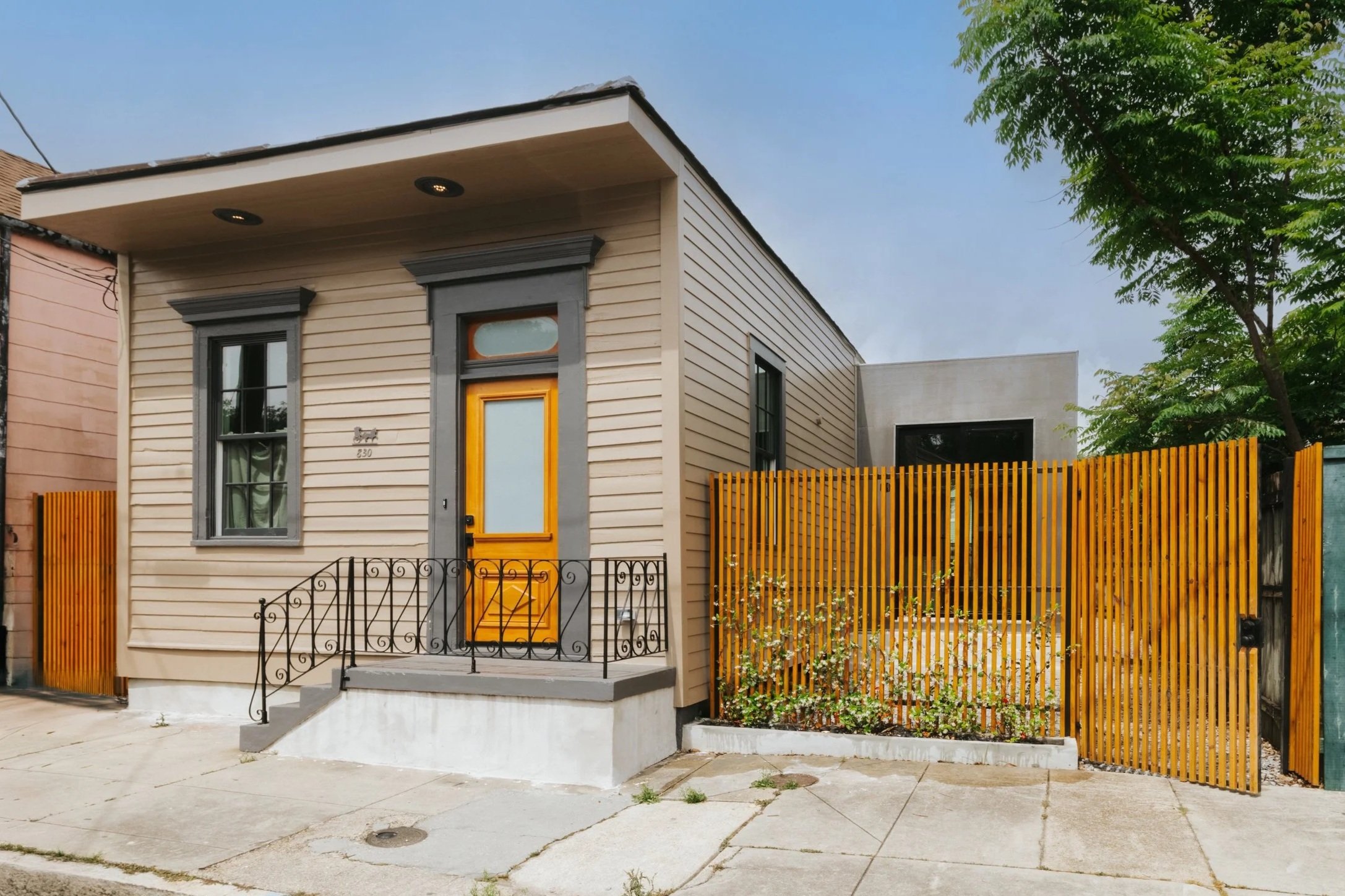
Constructed circa 1880, 830 Desire Street is a contributing shotgun residence within the Bywater Historic District and a representative example of the neighborhood’s working-class domestic architecture. Years of deferred maintenance had left the modest frame house in deteriorated condition, with compromised framing, aging systems, and significant interior wear. The rehabilitation stabilized the structure, reinforced the foundation and framing, modernized all major systems, and preserved the defining characteristics of the traditional shotgun form. Historic flooring, transoms, ceiling heights, and façade rhythm were retained, while the plan was adapted for contemporary living. Deeply personal to its owner, the project preserves both a nineteenth-century residence and a family legacy.
4417 Dryades Street – New Orleans Skin Diving School
Team: Stay Heirloom, Clementine Construction, LLC, Fricker Historic Preservation Services, LLC
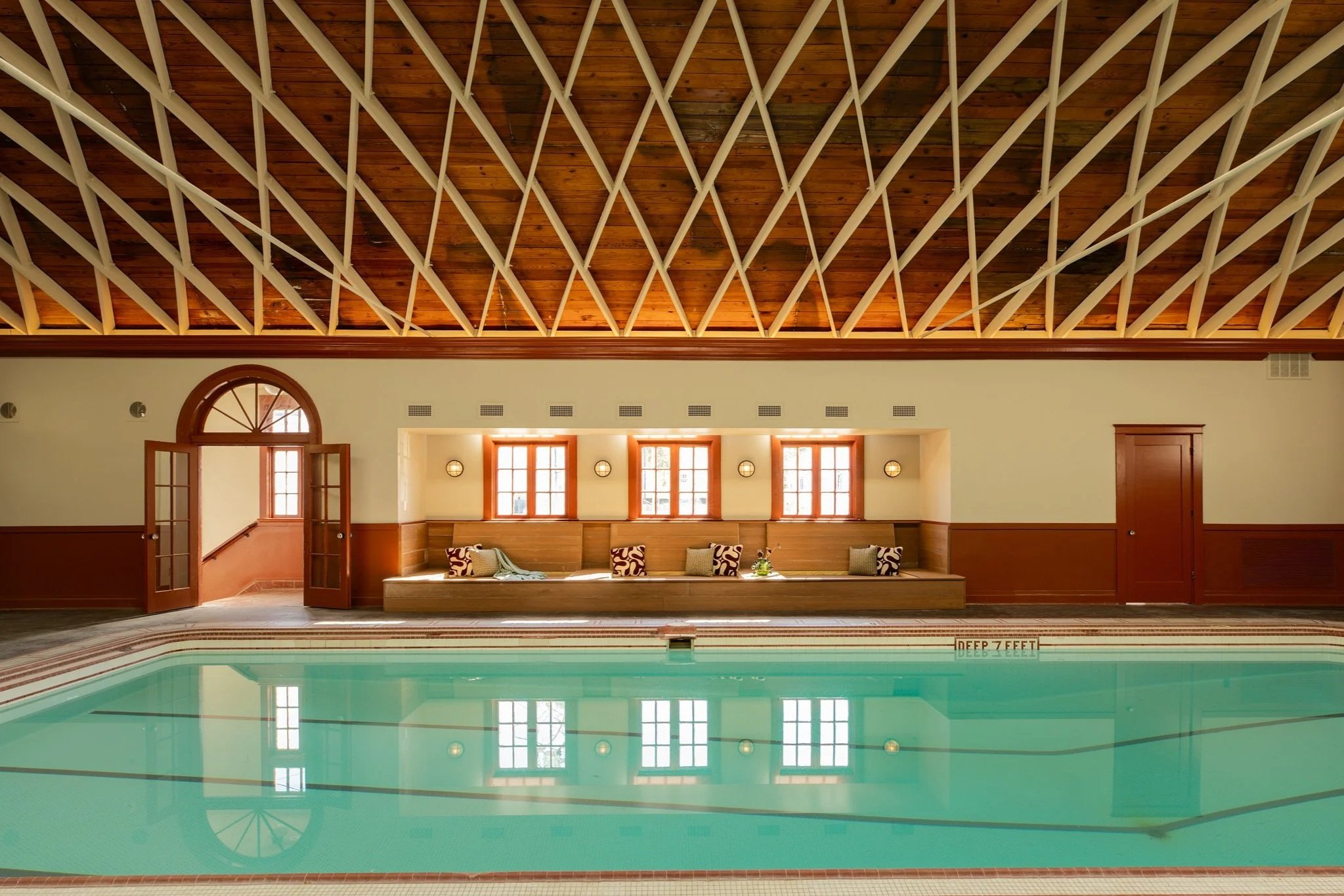
Constructed circa 1920, 4417–4419 Dryades Street is a rare early twentieth-century indoor recreational facility within the Uptown New Orleans Historic District. Known for decades as the New Orleans Skin Diving School, the building combines architectural significance with an important place in the city’s recreational and maritime history. The rehabilitation focused on preserving its most remarkable feature: a monumental vaulted pool hall with skylight, oculus windows, and decorative detailing. Later alterations were addressed, structural and moisture-related issues were stabilized, and the dramatic interior volume was carefully conserved. Using State and Federal Historic Tax Credits, the project preserves one of Uptown’s most unusual historic interiors for contemporary use.
527 Elysian Fields Avenue – Hotel Pompadour
Team: Khrisos, Inc., James Michalopoulos, Mike Murray, Cody Ellis, LLC Rick Fifield, Batture Engineering, Tatianna Macchione, Andrew Williams
The rehabilitation of 527 Elysian Fields Avenue transformed the former Schoen Funeral Home complex into Hotel Pompadour, a boutique hotel within the Faubourg Marigny. The interconnected nineteenth-century buildings, including Italianate townhouses and a former livery stable, reflect the layered commercial and cultural history of the neighborhood. Prior to rehabilitation, the complex suffered from substantial deterioration, including compromised timber framing and missing finishes. The project stabilized masonry walls, preserved heavy timber structure, restored historic materials, and adapted the interior for twelve guest suites while maintaining original staircases and circulation patterns. Using State and Federal Historic Tax Credits, the work secures a viable new use while maintaining the massing and scale of the Marigny streetscape.
632 Esplanade Avenue – Zaeringer-Begue House
Team: Morgan Kinnett Stalder, Adamick Architecture, Historic Pro NOLA, LLC., Begue House, LLC, Nodis Construction
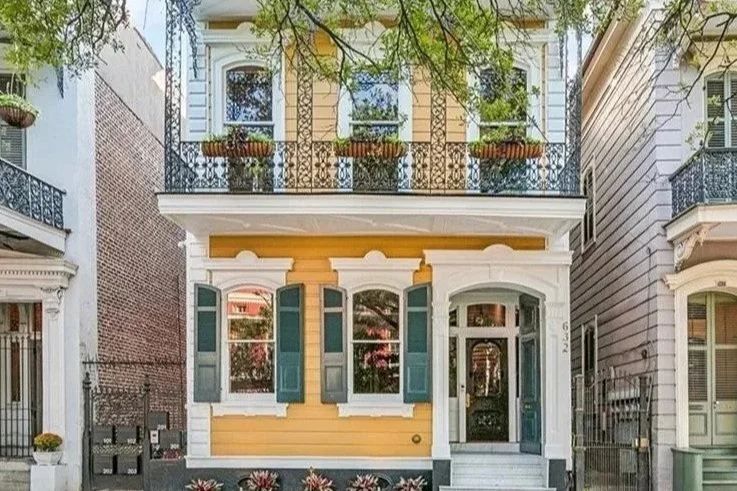
Constructed in 1886, the Zaeringer-Begue House is a distinguished Second Empire townhouse along Esplanade Avenue within the Vieux Carré Historic District. Over time, the former mansion had been subdivided into seven apartments, with numerous interior partitions obscuring the building’s historic arrangement of rooms and fragmenting its grand interior spaces. The rehabilitation focused on restoring a sense of the original plan while preserving defining exterior features, including the mansard roof, cast-iron balcony, wood windows, and recessed entry. Inside, non-historic partitions were removed, decorative plaster and marble mantels were restored, and the staircase was rehabilitated. Using historic tax credits, the project returned a prominent Esplanade residence to renewed vitality.
609 Jackson Avenue – The Jackson
Team: Kalais Companies, LLC, AQ Studios, Carubba Engineering, M-K Engineering, Inc.
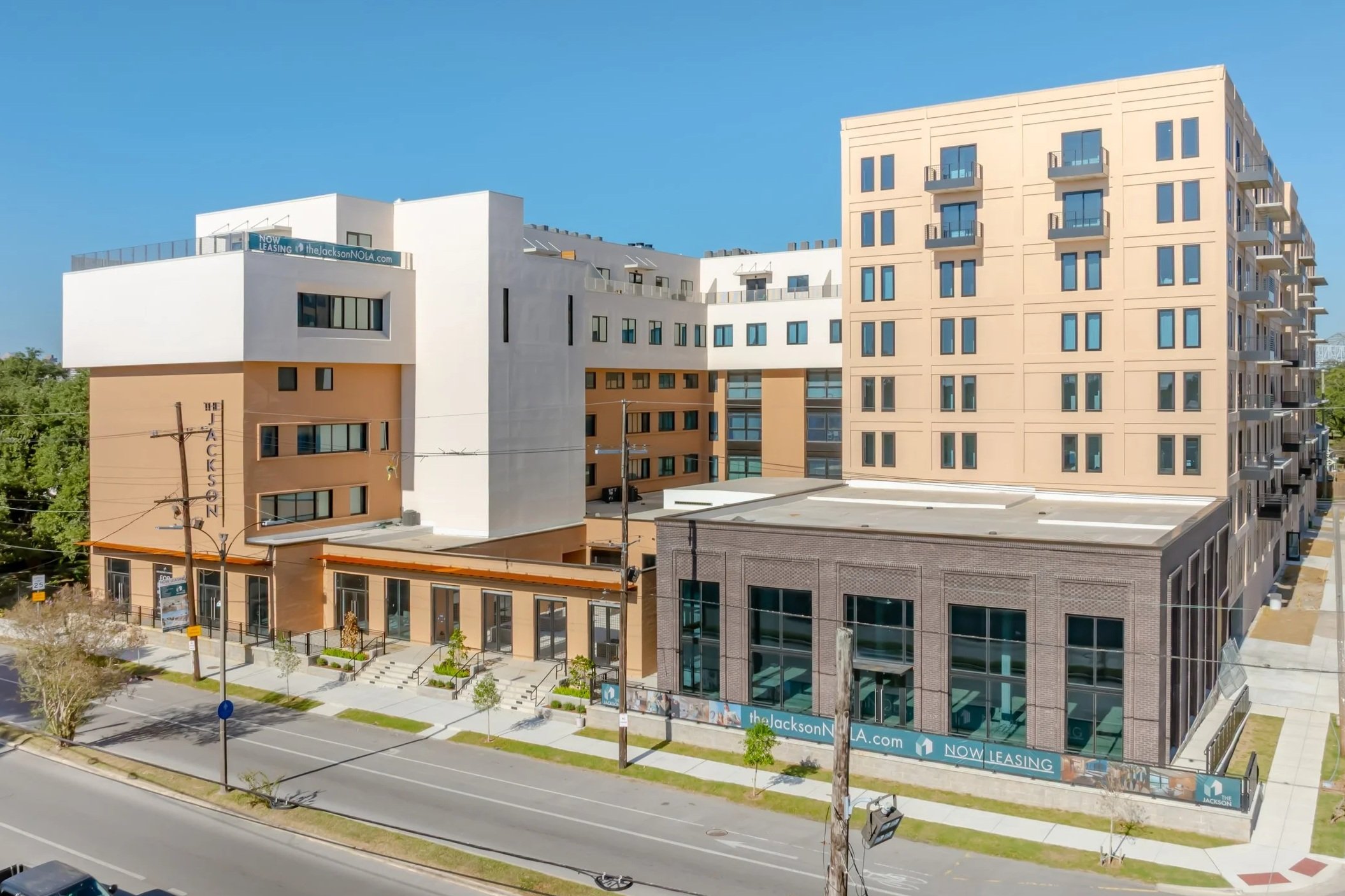
The Jackson at 609 Jackson Avenue represents the adaptive reuse of the former Sara T. Mayo Hospital complex in the Lower Garden District. Founded by pioneering physician Dr. Sara T. Mayo, the hospital provided opportunities for women doctors and care for women and children before closing in 1979. Decades of vacancy left the mid-century institutional building badly deteriorated. The rehabilitation stabilized the historic structure, repaired concrete and masonry, restored glazing, replaced all major systems, and adapted the former hospital floors for residential use. Complementary new construction added additional amenities and much needed mixed-income housing and amenities. Using State Historic Tax Credits, the project preserves an important example of mid-century architecture and a significant chapter in women’s medical history.
621 Kerlerec Street
Team: Dana and Leo Palazzo, LK Harmon Architects, Southkick|Rolf Preservation Works
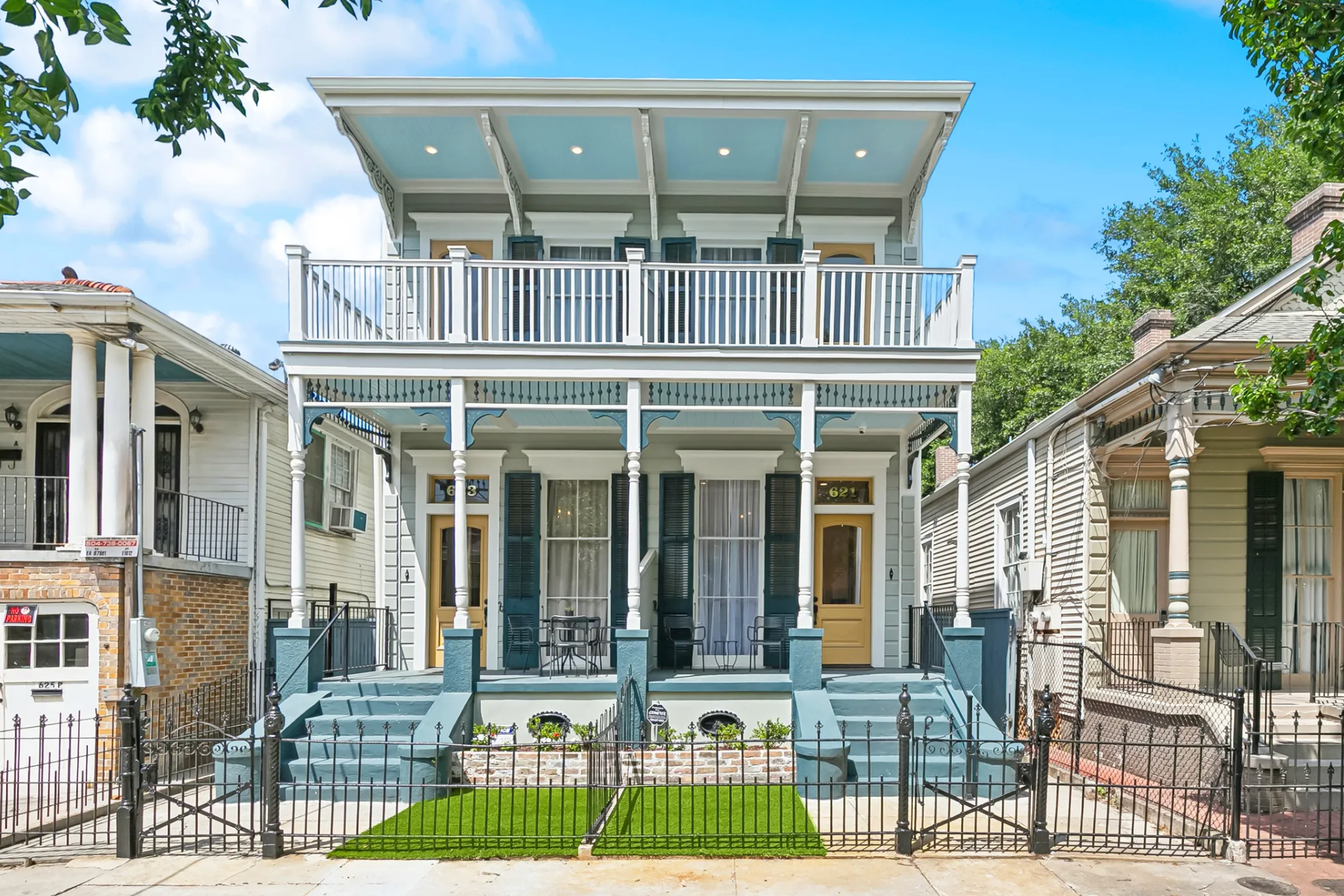
Constructed circa 1900, 621 Kerlerec Street is a two-story shotgun double within the Faubourg Marigny Historic District that reflects the modest scale and craftsmanship of early working-class housing. Over time, the building was altered by fire repairs, asbestos siding, replacement windows, and enclosure of the front gallery, while years of deferred maintenance further diminished its historic character. The rehabilitation removed inappropriate alterations, reopened the two-story gallery, and preserved historic siding, brackets, windows, and floorplans. Interior features including wood floors, transoms, paneled doors, and mantels were carefully retained. Using State and Federal Historic Tax Credits, the project returns a long-neglected property to productive use while reinforcing the Marigny streetscape.
2015–2017 Kerlerec Street
Team: Topaz Restorations, Southkick|Rolf Preservation Works
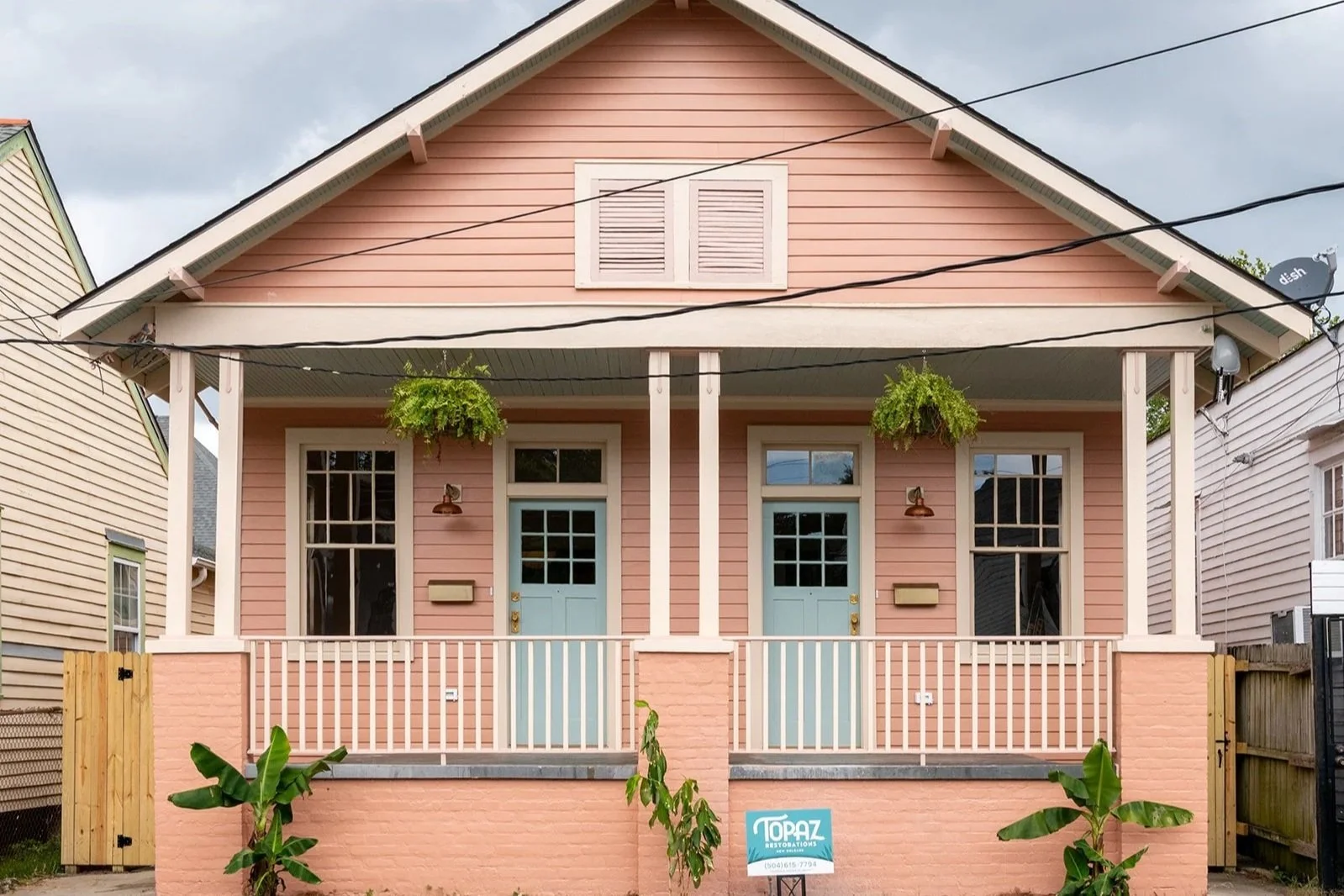
Constructed circa 1915, 2015–2017 Kerlerec Street is a single-story Craftsman shotgun double within the Esplanade Ridge Historic District and a modest example of the neighborhood’s working-class domestic architecture. Prior to rehabilitation, the building suffered from extensive deferred maintenance, water damage, deteriorated wood elements, and intrusive later alterations. The project stabilized the structure and preserved its historic massing, layout, and Craftsman character through roof and drainage repairs, restoration of siding and trim, and rehabilitation of the front porch. Inside, the historic double-parlor configuration was retained, and original flooring, doors, windows, and mantels were preserved wherever possible. The project safeguards a rare surviving shotgun double within the district.
3535 Magazine Street – Verdad Real Estate and Construction
Team: Trapolin Peer Architects, Woodward Design+Build, DM Steib, LLC, Pontchartrain Mechanical, A1 Electrical Contractors, RML Acoustics, Merit Fire Protection, Fransen Mills, Ryan
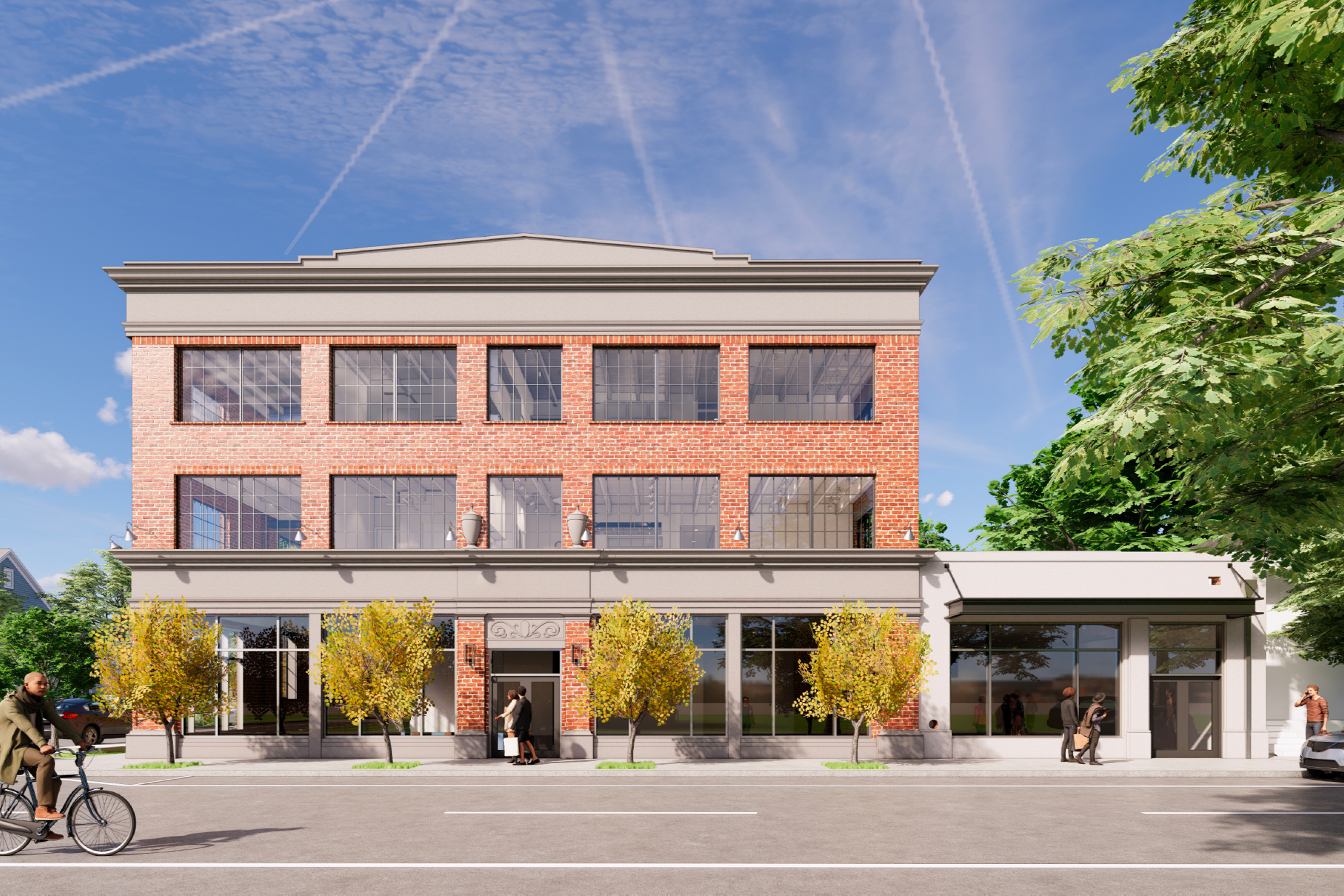
Constructed in 1925 for the Jefferson Motor Company, 3535 Magazine Street housed businesses that served its neighborhood for nearly a century, including a bakery and Harry’s Ace Hardware. The three-story building contributes to the commercial character of Magazine Street through its Classical Revival-influenced brick façade, steel windows, and prominent cornice. The rehabilitation adapted the structure for contemporary retail and office use while preserving its industrial character and key architectural features. Masonry, steel framing, cast stone detailing, and historic windows were retained and repaired, while new circulation and building systems were integrated discreetly. Using State and Federal Historic Tax Credits, the project extends the life of a long-standing commercial landmark on the Magazine corridor.
3047 Maurepas Street
Team: owners Deborah & Nathaniel Brickens, Historic Pro NOLA, LLC, JLV Construction, Thomas M. Smith, Ryan Nugent
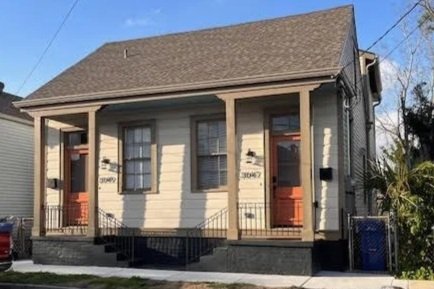
The rehabilitation of 3047 Maurepas Street restored a one-and-a-half-story Creole cottage in Faubourg St. John while returning it from single-family use to a double. Originally constructed in the late nineteenth century, the house had undergone several alterations over time, including attic conversion and a two-story rear addition. Despite these changes, it retained its historic massing and characteristic cottage form. The project preserved the exterior envelope, repaired and repainted historic siding, restored porch elements, and retained existing windows wherever possible. Interior work focused on preserving original flooring and supporting the renewed duplex layout. The result is a thoughtful rehabilitation that also restores lost neighborhood housing density.
1354 Moss Street
Team: Stephen Bergeron, Daniel Samuels Architect, EM Improvements, Decoration Lucullus Designers, Toulouse Street Millworks
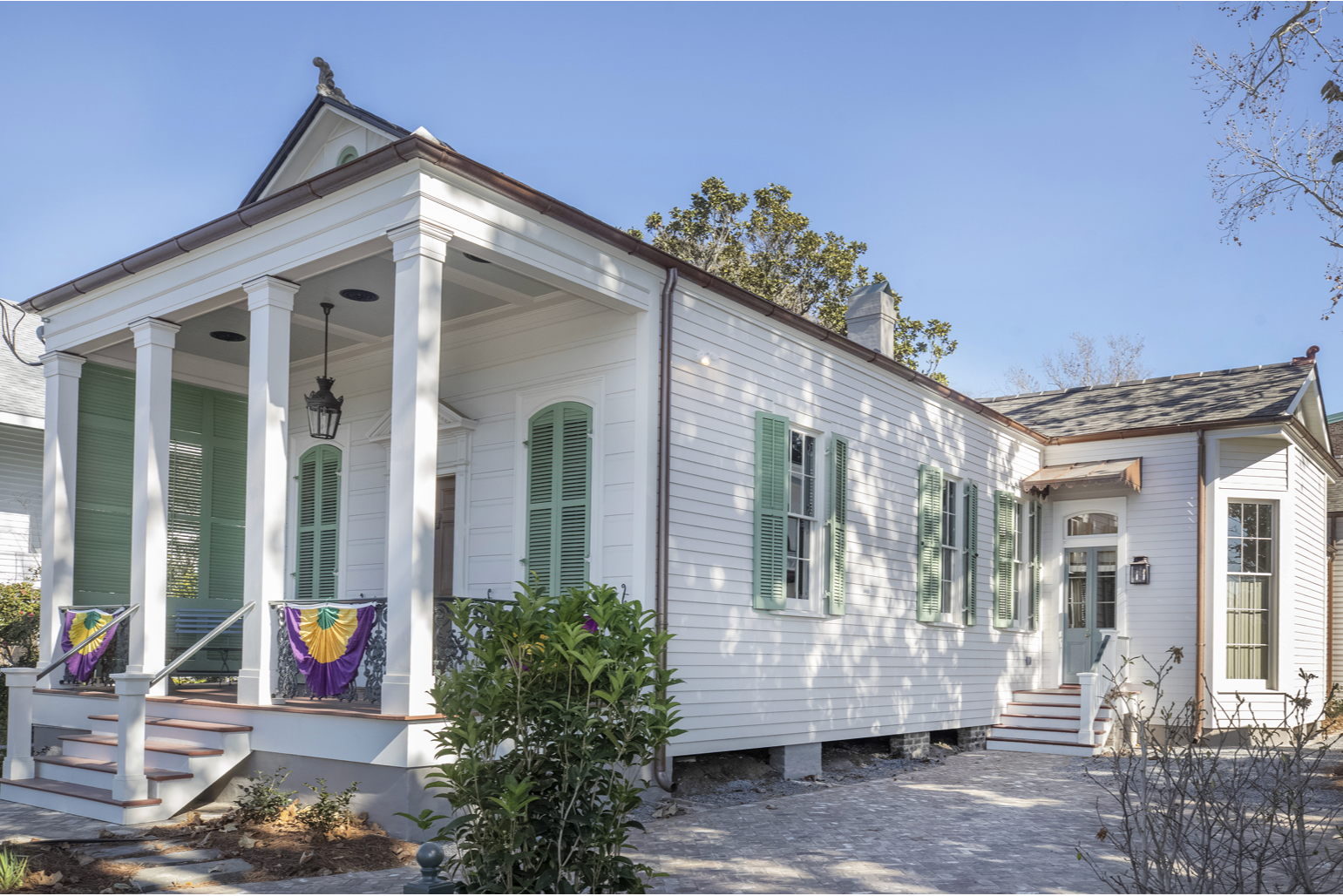
The rehabilitation of 1354 Moss Street restored a late nineteenth-century cottage while introducing restrained additions for contemporary residential use. Originally built as a three-bay side-gallery shotgun, the house had evolved through several alterations, including a major 1920s remodeling that reshaped the façade and enclosed the side gallery. Prior to rehabilitation, the building had fallen into substantial disrepair. The project removed later additions and siding, stabilized the structure, repaired historic materials, and restored the front façade while introducing a sensitive rear addition and screened porch. Original flooring, siding, trim, and doors were retained wherever possible. The result preserves the building’s layered architectural history along Moss Street.
2400 Napoleon Avenue – The Josephine Events Center
Team: 2400 Napoleon, LLC, Holly & Smith Architects, Perle Construction, Ryan, Parish Engineering
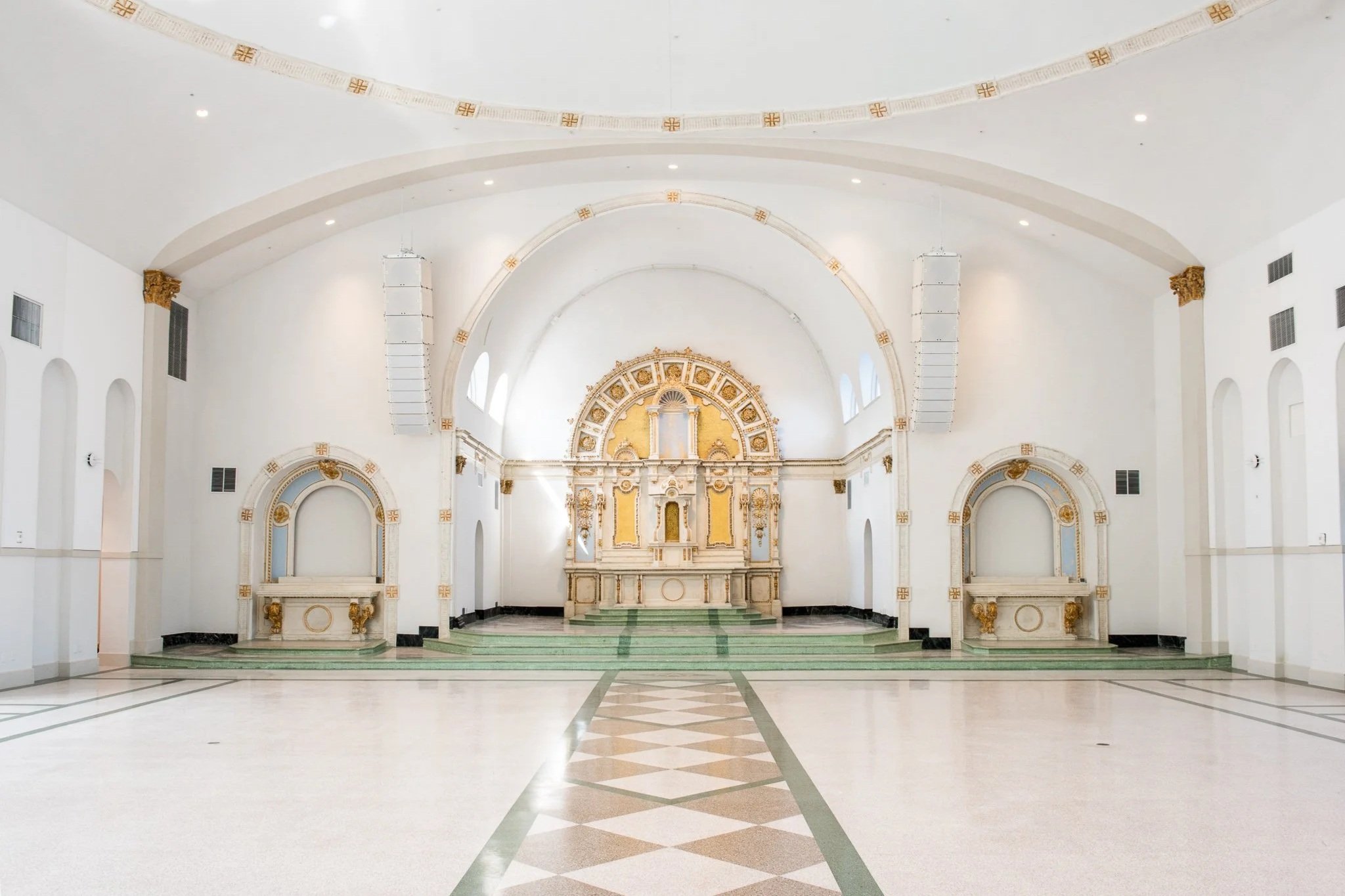
Constructed in 1925, Our Lady of Lourdes Church is a Spanish Mission Revival landmark within the Uptown Historic District and one of its most significant buildings. After years of service, the church was damaged by Hurricane Katrina, deconsecrated, and left vacant for more than a decade. While the adjacent historic parish school building, also part of the National Register listing, was ultimately lost/demolished, the rehabilitation of the church itself represents a meaningful preservation achievement. The project restored the sanctuary for use as The Josephine Events Center, addressing major structural failure while preserving defining architectural features. Work included a new foundation system, restoration of stucco, tile roofing, windows, ironwork, and terrazzo, and reconstruction of the domed ceiling and ornamental plaster. The project demonstrates the power of adaptive reuse in returning a landmark to civic life.
1746–1748 Prytania Street
Team: Ryan Moses, Toulouse Millworks, Logan Killen Interiors, Cicada Architect, Southkick|Rolf Preservation Works
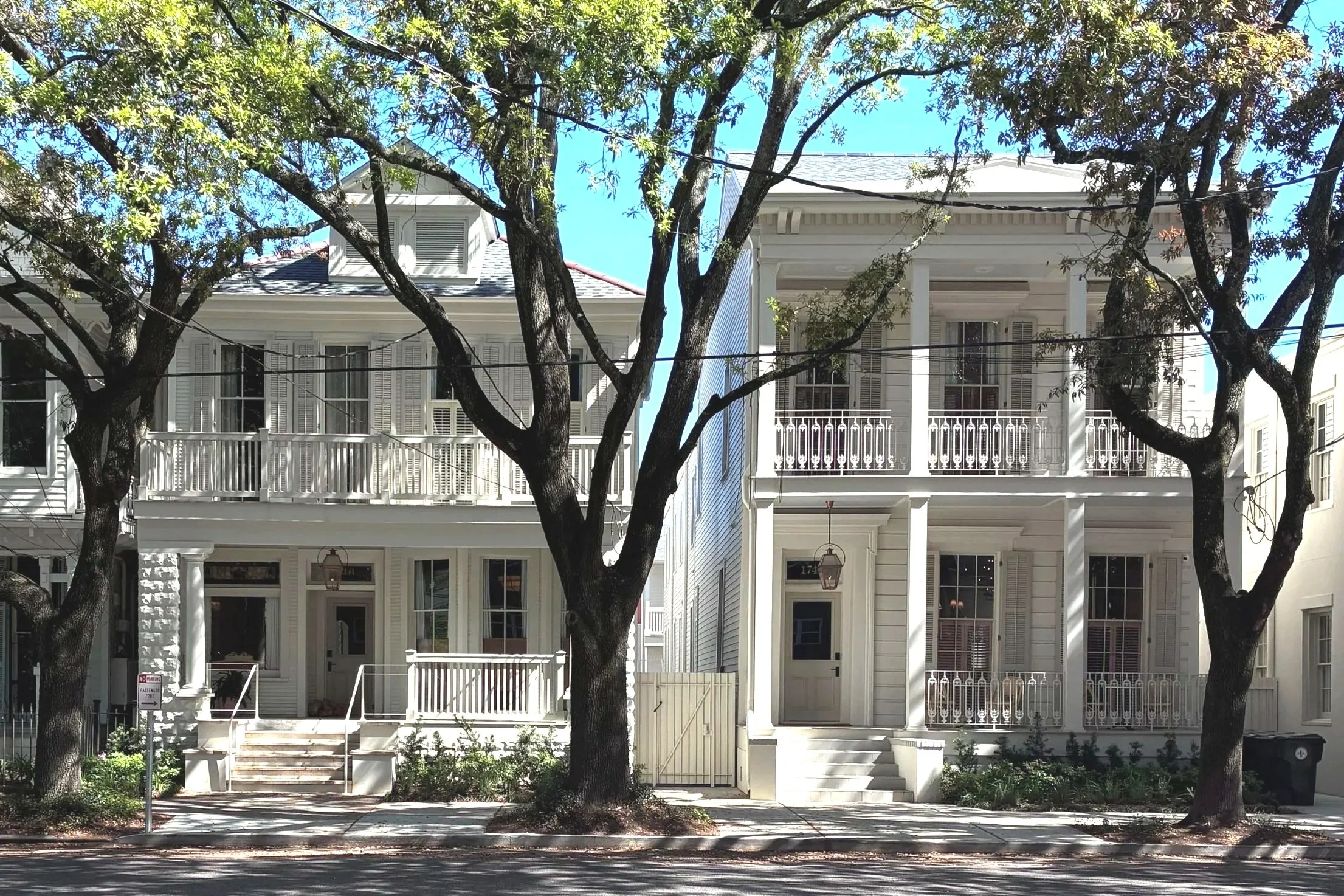
The rehabilitation of 1746 and 1748 Prytania Street restored two historic residential buildings that contribute to the Lower Garden District streetscape. Though constructed decades apart, both buildings share a history of conversion from residences to boarding house or hotel use. The project addressed deterioration and mid-century alterations while preserving each building’s massing, materials, and interior character. At 1746, restoration revealed high ceilings, wood floors, plaster molding, and original architectural details. At 1748, removal of Perma-Stone veneer uncovered a remarkably intact Italianate façade with concealed porch boards and wood casings beneath. The honored project coordinated rehabilitation of neighboring properties and revitalized its streetscape.
2318 St. Andrew Street
Team: Gardner Development, LLC, Gardner Construction, LLC, Emily Knollenberg
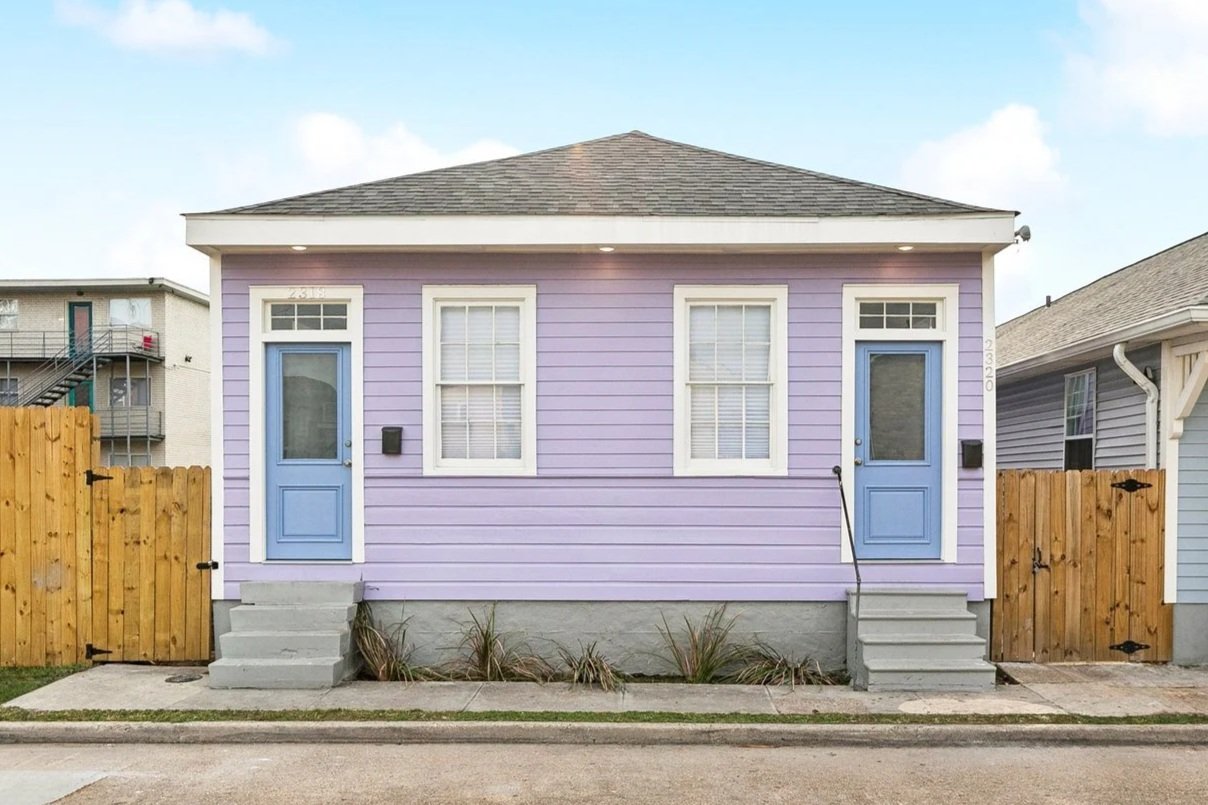
The rehabilitation of 2318–2320 St. Andrew Street restored a long-vacant shotgun double in Central City that was at risk of collapse. By the start of construction, the structure had suffered severe deterioration, including a major breach in one exterior wall and extensive failure of framing and finishes. Investigation revealed a more complex history than first appeared, suggesting phased construction behind the unified double façade. The project required comprehensive structural rehabilitation, including rebuilding framing, installing new siding and roofing, replacing doors and windows, and integrating modern systems throughout. Using State and Federal Historic Tax Credits, the project returns a severely compromised modest house to residential use and serves as a model for neighborhood reinvestment.
300 St. Charles Avenue
Team: Welty Architecture, Ryan Gootee General Contractors, Roth Law Firm, Southkick|Rolf Preservation Works
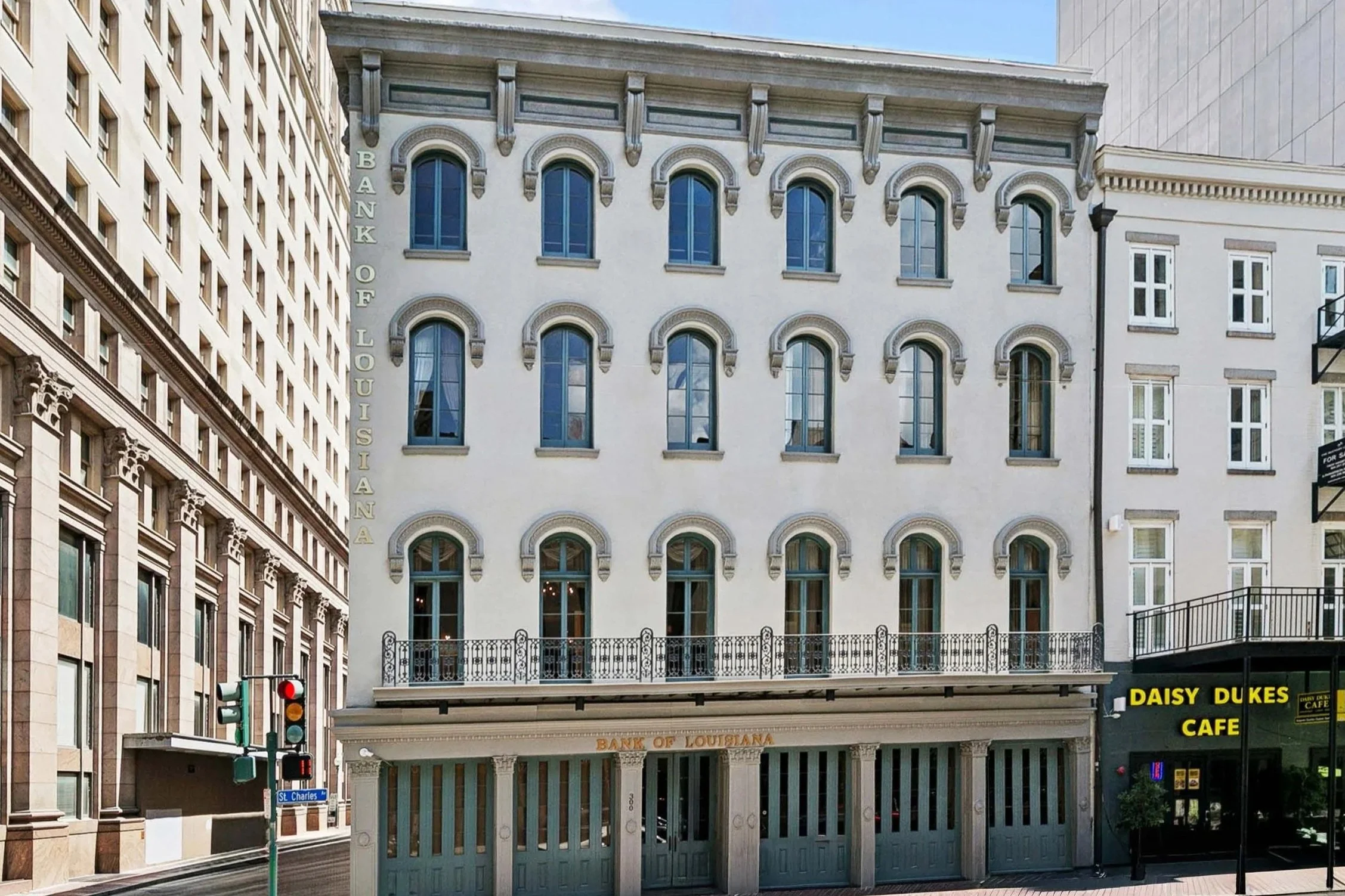
Completed in 1855, the historic Bank of Louisiana building is a four-story masonry landmark designed by Gallier, Turpin & Co. in the Italian Renaissance style. The recent restoration focused on preserving the building’s deteriorated exterior and selectively rehabilitating the previously vacant fourth floor. Extensive stucco repairs, conservation of cast-iron architectural details, and careful stabilization of the façade addressed conditions more severe than initially anticipated. Inside, original wood flooring was retained, intrusive drop ceilings were removed, and new systems were integrated for commercial use. The project preserves an important Gallier-designed building and demonstrates how thoughtful rehabilitation supports continued investment in downtown New Orleans.
6823 St. Charles Avenue – Richardson Memorial Hall, Tulane University
Team: Trapolin Peer Architects, Broadmoor, LLC, Morphy Makofsky, Inc., TLC Engineering Solutions, Inc., SLR Consulting, SpecGuy, Wiss, Janney, Elstner Associates, Inc., Studio West
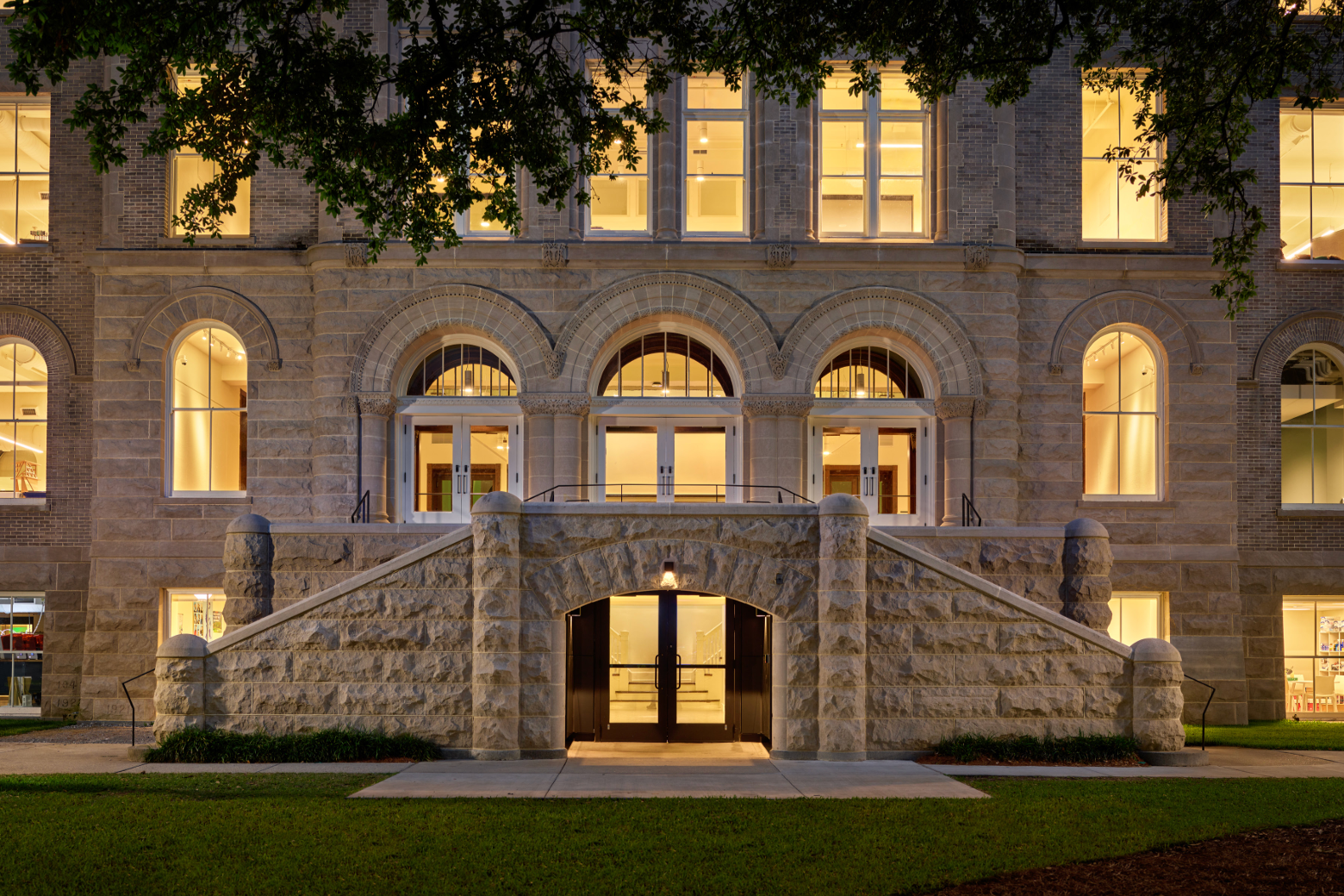
Originally constructed in 1907 for Tulane Medical College, Richardson Memorial Hall is a prominent Richardsonian Romanesque building that has housed the Tulane School of Architecture since 1968. Decades of incremental alterations left the building fragmented and unable to meet contemporary academic and accessibility needs. The project combined a comprehensive rehabilitation of the 45,000-square-foot historic structure with a 15,000-square-foot rear addition. Interior circulation was restored around the historic stair, new studios and academic spaces were integrated, and fabrication facilities were expanded. The rear addition remains visually subordinate while providing needed program space. Using historic tax credits, the project preserves and updates a major campus landmark for another century of use.
1100 Ursuline Street
Team: Cicada Architects, Ferrand Design, JLV Construction, EHC Engineering, Revolution Engineering
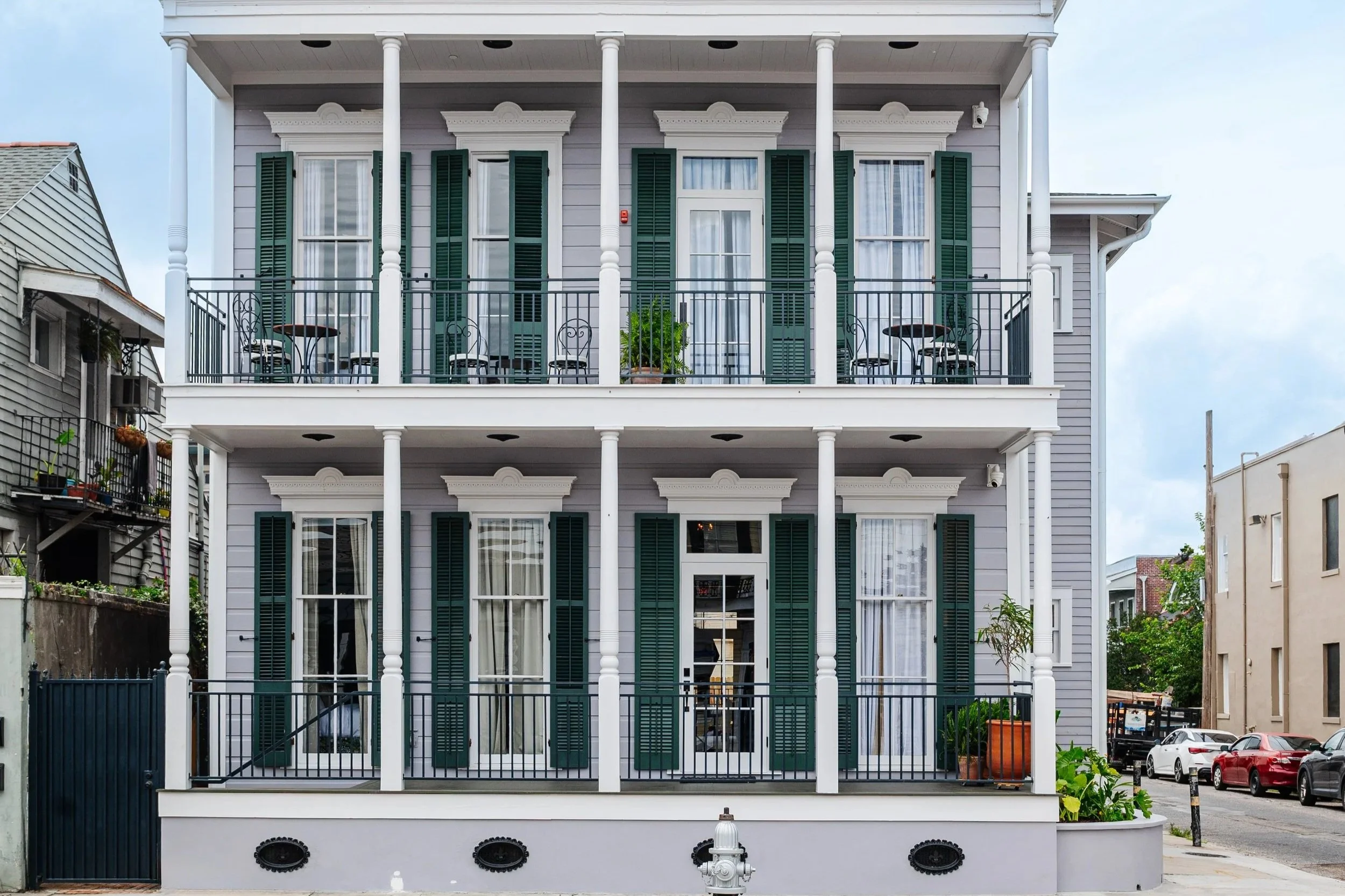
The rehabilitation of 1100 Ursuline Street restored a highly altered nineteenth-century building at the edge of Tremé, across from the Vieux Carré. Decades of alterations had obscured the historic North Rampart façade, including removal of the first-floor porch and enclosure of the upper gallery. Through careful investigation and coordination with the HDLC, the project uncovered substantial surviving material, including full-height windows, pediments, attic vents, and fragments of the original turned columns. These elements informed reconstruction of the building’s historic double-gallery façade. Additional decorative details were digitally documented and recreated. The project transforms the property into a single residence while reestablishing an important façade along a major historic corridor.